The Bridge of Destiny: How Oba Eweka I Forged the Unbreakable Legacy of Benin
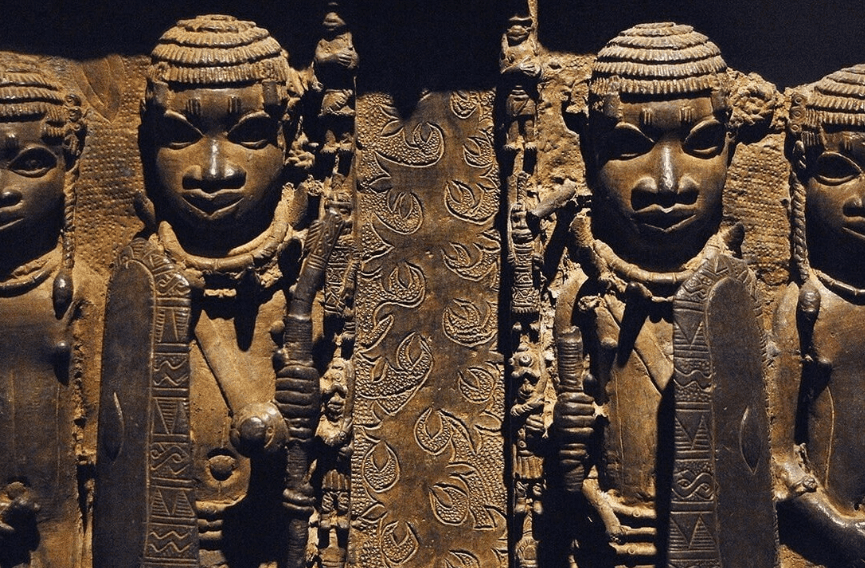
The history of the African continent is not merely a collection of dates; it is a profound library of legacy, etched in the rise and fall of empires, the wisdom of ancestral lines, and the enduring power of a story. For established diaspora leaders who seek to immortalize their life’s work, or multi-generational family businesses striving to justify decades of heritage, few narratives offer a clearer mirror than the legendary founding of the Benin Kingdom’s second golden age.
Learn How to Leverage Your Story through our Story To Asset Framework.
This is the story of Oba Eweka I, a boy-king born into a whirlpool of political crisis and cultural contention, who did not just inherit a throne, but meticulously forged the foundational principles of enduring leadership, principles that resonate with every founder today who is in “legacy mode.”
Eweka I’s reign (c. 1200 AD – 1235 AD) was the strategic pivot that defined one of West Africa’s most powerful and sophisticated empires. It teaches us a timeless lesson: true legacy is not about accumulation; it’s about institutionalizing your unique methodology for the next generation.
The Crisis of Succession: When Methodology Dies
For over 400 years, the Benin Kingdom had been ruled by the Ogiso dynasty. But by the late 12th century, a crisis of misrule led to the banishment of the last Ogiso, Owodo. The kingdom fell into an administrative interregnum, a period of uncertainty and internal conflict, governed by administrators like Evian and his successor, Ogiamien.
This period of instability holds a critical lesson for any Multi-Generational Family Business: A business or kingdom cannot thrive on administration alone; it requires a clear, sovereign system of succession and leadership methodology.
The local elders, led by Chief Oliha, knew what was missing was not simply a new manager, but a monarch, a leader with both a spiritual claim to the land and a codified method of governance. Their search for a legitimate heir led them to Ikaladerhan, the banished son of the last Ogiso, who had found new royalty in the Yoruba city of Uhe (Ife), becoming known as Oduduwa.
Oduduwa, while unwilling to return, offered a strategic compromise that serves as the first great lesson in legacy: he sent his son, Oromiyan, but first required a test of the Benin people’s commitment, caring for a common louse for three years.
This was not a random task; it was a profound lesson in nurturing the seemingly insignificant and demonstrating a patient, unwavering commitment to a vulnerable charge, the future of the kingdom.
Point for Reflection:
The Benin Kingdom, under the Obas, would go on to become one of the most stable and long-lasting monarchies in human history, thriving for over 700 years until the British punitive expedition in 1897. Its longevity is a direct testament to the solid foundation laid by Eweka I.
Oromiyan’s Pivot: The Necessity of Cultural Fluency
When Oromiyan arrived (c. 1170 AD), he was met with fierce resistance from the incumbent Ogiamien. He settled on the city’s outskirts at Usama. Crucially, despite having a Benin father, Oromiyan had been raised in the Yoruba land of Ife. He faced significant language and cultural handicaps and was unable to reconcile the customs of his adopted home with the traditions of Benin.
Oromiyan’s frustration led to one of the most powerful and strategic renunciations in African history. Unable to bridge the gap, he famously labeled the land “Ile Ibinu”, the land of annoyance and vexation, and declared that only a child of the soil, educated in the culture and tradition of the land, could truly rule.
This strategic pivot is fundamental in Legacy Strategy for the Established Diaspora Leader:
- You can have the right pedigree (Oromiyan’s birthright), but if you lack cultural and contextual fluency, your authority will be rejected.
- True authority comes from a methodology rooted in the soil (culture and context) where the problem exists.
Oromiyan’s renunciation was not a failure; it was the ultimate, strategic endorsement of his own son, Eweka.
Eweka I: Institutionalizing a Proprietary Solution
Before returning to Ife, Oromiyan fathered a son, Eweka, with Princess Erimwinde, the daughter of the Enogie of Ego. Eweka was the perfect synthesis: he carried the new royal bloodline from Ife, but he was born on Benin soil and raised by his maternal grandfather, Ogiegor, who ensured he was steeped in Bini culture and tradition.
The story of Eweka’s naming is a beautiful metaphor for the breakthrough that comes from codifying a life’s work. As a young boy, he struggled to speak.
When his father, Oromiyan (by now the Alafin of Oyo), sent marbles, Eweka’s excitement during a successful throw led him to spontaneously exclaim “Owomika!” (I have succeeded!) a word that was corrupted and transformed into Eweka. This is the ultimate moment of the Legacy Signature Program:
- The years of accumulated frustration, knowledge, and circumstance (Oromiyan’s challenge, the interregnum) suddenly crystallize into a unique, proprietary term—Eweka—that signifies a unique methodology for success.
- Eweka I became the very first Oba (a title with Bini roots, signifying ‘King’), officially replacing the Ogiso system. This was not a re-branding; it was the institutionalization of a new, sustainable governance methodology.
He was the answer to Oromiyan’s challenge. He was the child of the soil who held the key to lasting leadership. His 35-year reign established the Obaship and created the political, cultural, and traditional principles that would anchor the kingdom for the next seven centuries.
The Three Pillars of Eweka I’s Enduring Legacy
Oba Eweka I’s story offers three undeniable blueprints for how established leaders and multi-generational businesses can transition from simply having a successful history to possessing an immortalized legacy asset:
1. Institutionalize Your Methodology (The Legacy Signature Program)
Eweka I’s greatest achievement was turning a political crisis into a governance system. He didn’t just rule; he established the Obaship, a title that institutionalized the requirement for cultural fluency and legitimate succession.
- Your Value: Stop selling hours and deliverables. Codify your 20+ years of expertise into a proprietary methodology, a repeatable, teachable system (your “Obaship”) that your audience must follow. This asset is the core of your brand’s unique solution.
2. Write the Definitive Narrative (The Legacy Book)
The very purpose of the Obaship was to record and perpetuate the lessons of the past, from the banishment of Owodo to the wisdom of Oromiyan, so the next generation would not have to start from scratch.
- Your Value: Your accumulated experience is your most valuable intellectual property. Transform your story and expertise into The Legacy Book. This asset doesn’t just promote you; it establishes you as the undisputed Authority in your industry, providing the essential text for those who follow.
3. Immortalize the ‘Why’ (The Legacy Video)
The transition from the Ogiso to the Oba was a dramatic, high-stakes story of cultural struggle and breakthrough. The emotional weight of this founding narrative is what connected the Obas to the people for centuries.
- Your Value: A dense history or a complex methodology can be inaccessible. Capture the emotional, aspirational journey, your “why” and where you’ve been, in a cinematic Legacy Video. This asset cuts through the noise and connects your brand’s heritage directly to the hearts of future generations, justifying premium pricing and building unshakeable trust.
The Legacy Imperative: From Success to Significance
Eweka I’s legacy is a profound reminder that the greatest success is not measured in current revenue but in the durability of the systems you leave behind.
Whether you are a Diaspora CEO looking to package your expertise or a family business seeking to leverage 50+ years of heritage, the challenge remains the same: How will you codify your success so it is invincible to the passage of time?
Your legacy is your most valuable asset. Before you print another brochure, let’s talk about how to immortalize it. Book your free 15-minute Legacy Strategy Call today to design the asset that will tell your story for the next 50 years. Book Your Free 15-Min Legacy Call Now