Revival of Nigeria International Trade Fair 2025: A Strategic Move to Reassert Nigeria’s Regional Commerce Leadership
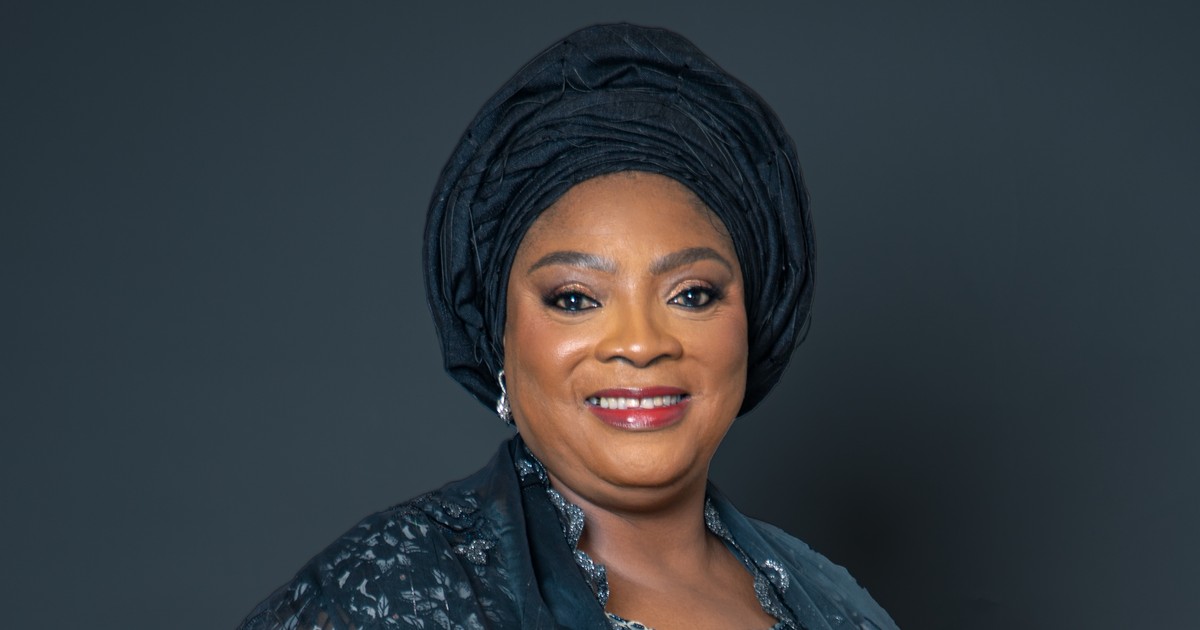
The revival of the Nigeria International Trade Fair (NITF) after a 14-year hiatus marks a significant, evidence-based step in Nigeria’s effort to reassert its leadership in regional and continental commerce. Scheduled for November 21–30, 2025, the event represents far more than a single trade exhibition, it is a strategic collaboration between government and the private sector, spearheaded by Chief (Barr.) Veronica Safiya Ndanusa, Executive Director of the Lagos International Trade Fair Complex Management Board.
Learn How to Leverage Your Story through our Story To Asset Framework.
This renewed initiative aims to rejuvenate a vital national economic asset and position Nigeria’s trade architecture to align with the evolving realities of African integration, especially the opportunities presented by the African Continental Free Trade Area (AfCFTA).
This analysis, through the Afrometrics lens, examines the historical context, the immediate economic goals, and the broader political and cultural implications of the NITF’s return under Barr. Ndanusa’s strategic leadership.
Legacy and Political Structures: Reclaiming a National Asset
The historical context of the Lagos International Trade Fair Complex (LITFC) is deeply intertwined with Nigeria’s post-independence ambition to establish itself as the dominant economic and political power in West Africa.
Its underutilization for over a decade represents a period of lost opportunity and institutional decay challenge Barr. Ndanusa explicitly set out to reverse.
Restoring Governance and Trust
Barr. Ndanusa’s initial two-year tenure focused on fundamental governance reform and institutional stabilization. This approach aligns with the necessary first steps for revitalizing public assets across the continent, which often suffer from legacy issues, lack of transparency, and infrastructural decline.
- Stabilization: Her first priority was to “stabilise the institution, rebuild relationships with government partners, reintroduce order to the system, and prioritise infrastructure renewal.” This focused on resolving “legacy issues” and introducing transparent lease processes, which are critical steps for restoring public trust—a cornerstone of effective governance.
- Political Alignment: The strong backing from President Bola Ahmed Tinubu’s administration, specifically aligning the NITF with the Renewed Hope Agenda, provides the necessary political capital and policy direction. This linkage is vital in Nigeria, where national initiatives require decisive federal support to overcome bureaucratic and logistical hurdles. The revival of the NITF is, therefore, an institutional victory that signals Nigeria’s commitment to industrial and trade growth at the highest political level.
Geopolitical Signal: Open for Business
By reviving an event that is expected to attract over 10,000 visitors and 300 exhibitors, the Nigerian government is sending a clear geopolitical signal: that Nigeria is “open for business” and ready to “lead again in trade, innovation, and industrial growth.” This is especially important given the competition for economic influence in the ECOWAS sub-region.
Economic Realities: Leveraging the AfCFTA and MSME Growth
The NITF 2025 is deliberately positioned as a critical platform to address Nigeria’s contemporary economic realities: the urgent need for diversification, industrialization, and maximizing the benefits of the AfCFTA.
You might also like The Nigerian Agricultural and Agribusiness Potential: A Golden Opportunity for the African Diaspora
The AfCFTA Gateway
The strategic alignment of NITF 2025 with the African Continental Free Trade Area (AfCFTA) is perhaps the single most important economic mandate of the Fair. AfCFTA is designed to create a single continental market of 1.3 billion people with a combined GDP of approximately $3.4 trillion.
- Visibility and Competitiveness: Barr. Ndanusa notes, “Competitiveness begins with visibility and NITF provides that platform.” For Nigerian manufacturers and Micro, Small, and Medium Enterprises (MSMEs), the Fair offers an immediate opportunity for:
- Market Access: Connecting Made-in-Nigeria goods to regional buyers and investors from across the continent.
- Product Readiness: Partnerships with agencies like SMEDAN (Small and Medium Enterprises Development Agency of Nigeria) are aimed at improving product quality and market readiness to meet regional standards.
- Regional Backing: Securing partnerships with the ECOWAS Commission and other regional bodies underscores the Fair’s role as a platform for economic integration, moving beyond a purely national exhibition to a regional commerce hub.
Empowering MSMEs and Industrialization
MSMEs are the backbone of the Nigerian economy, often accounting for a significant percentage of employment and GDP. However, they frequently struggle with access to finance, market exposure, and supply chain inefficiencies.
- Targeted Support: The Fair’s focus on “dedicated spaces, workshops, and curated networking sessions” is a tangible strategy to link MSMEs to “real buyers and investors.” This moves beyond simple exhibition to a focus on export readiness and sustainable growth.
- Sectoral Focus: The introduction of specialized sector pavilions (manufacturing, agribusiness, creative industries, and technology) directly addresses the need for economic diversification away from reliance on hydrocarbons, promoting value-added manufacturing and the creative economy—an increasingly significant contributor to Nigeria’s non-oil GDP.
African Principles and Cultural Expressions: The Power of Collaboration
Barr. Ndanusa’s leadership style is characterized by an emphasis on collaboration and inclusivity, reflecting core African Principles of community and shared destiny.
Collaborative Leadership (“Ubuntu” in Action)
The consistent theme running through her strategy is that of partnership and a shared platform.
- Shared Platform: Her approach, to make NITF a platform “where public institutions, SMEs, and private investors all have a voice in driving Nigeria’s trade growth”, is a practical application of a concept akin to Ubuntu, prioritizing the collective over a singular institutional mandate. It acknowledges that sustainable national economic growth requires consensus and the integrated participation of all stakeholders.
- Rebuilding Relationships: The successful re-engagement with traders, government partners, and the private sector, after years of scepticism, demonstrates the power of transparency and stakeholder consultation in rebuilding institutional credibility. This patient process of consensus-building is essential for ensuring the long-term viability of the Complex.
Cultural Showcase and Soft Power
The inclusion of a Food Village to celebrate Nigeria’s culinary excellence is not just a side attraction; it is a strategic use of cultural soft power. Nigeria’s cultural output, including its food, music (Afrobeats), and film (Nollywood), holds immense global appeal. Integrating this into the trade platform:
- Showcases the Creative Economy: Highlights the potential for exporting Nigerian brands and cultural goods.
- Adds a Human Element: Makes the Fair a more engaging and memorable experience, facilitating connections and trade deals on a more personal, cultural level.
The Long-Term Vision: From Fair to Permanent Hub
Barr. Ndanusa’s vision extends beyond the annual 10-day event. Her goal is to transform the entire Complex into a year-round business hub—a continuous marketplace with workspaces, logistics infrastructure, and training centres.
- A Continuous Marketplace: This transformation from an event location to a permanent ecosystem is crucial. It will provide stable infrastructure for businesses, training for entrepreneurs, and a consistent meeting point for investors. This long-term focus on infrastructure renewal and attracting private developers aligns with best practices for utilizing national trade facilities as engines of continuous economic activity.
- A National Gateway: Her ultimate aspiration—to see the Complex stand as “Nigeria’s permanent gateway for trade, innovation, and investment”—defines the true measure of her success. The revival of the NITF is the catalyst; the establishment of a credible, functional, and permanent trade hub is the legacy.
The return of the NITF under Barr. Ndanusa’s leadership is a meticulously executed process of institutional reform, strategic economic alignment, and collaborative partnership.
It is a potent expression of Nigeria’s renewed economic confidence, leveraging its political will and institutional assets to assume its expected role as an economic anchor for West Africa within the broader AfCFTA framework.
Learn How to Leverage Your Story through our Story To Asset Framework.