The Future of Diaspora Agribusiness: Scaling Local Wisdom into Global Systems
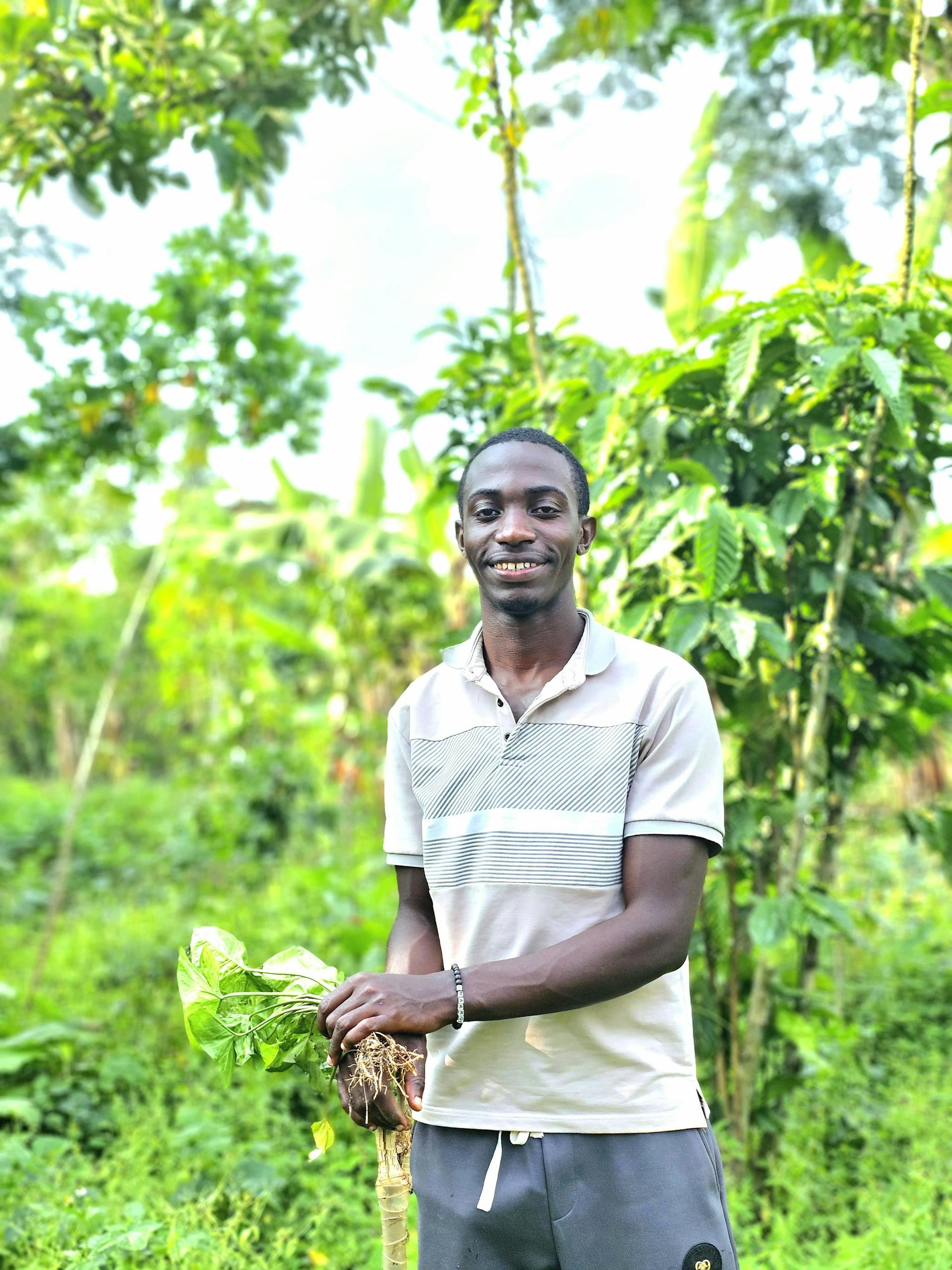
For decades, the narrative of African agriculture has been dominated by images of subsistence, struggle, and small-scale manual labor. However, as the global population marches toward 9 billion, and the world’s “breadbasket” shifts toward the 60% of uncultivated arable land remaining on the African continent, a new reality is emerging. The future of global food security is not a “farming” problem; it is a Governance and Systems problem.
Learn How to Leverage Your Story through our Story To Asset Framework.
At AClasses Academy, our research into Agribusiness & Sustainable Development indicates that the African Diaspora holds the “Golden Key” to this transition.
We possess the unique blend of global market access, technological fluency, and ancestral wisdom required to transform agriculture from a survival tactic into a high-stakes Generational Anchor. This article outlines the roadmap for institutionalizing Diaspora agribusiness and moving from “Labor” to “Legacy Capital.”
The Institutional Void in Agriculture: Why “Farming” is Not Enough
The primary barrier to scaling African agriculture has been the Institutional Void, the lack of documented, repeatable systems that allow a small success in one region to be replicated across a continent.
Most agricultural knowledge in Africa remains “Tacit” (held in the minds and hands of elders) or “Fragmented” (scattered across disconnected NGO projects).
Different Analysis suggests that the “Brain Drain” has hit the agricultural sector hardest. The sons and daughters of farmers have migrated to cities and Western capitals, seeking professional careers in tech, law, and finance.
They have effectively “divorced” their ancestral land. This has created a gap where the land has the potential, but the “Roadmap” for modern, scalable agribusiness is missing.
To fill this void, we must stop viewing agriculture as “Labor” and start viewing it as Infrastructure. We need a system that allows a Diaspora professional to invest in, manage, and scale agricultural assets with the same precision they apply to a software company or a real estate portfolio.
The AClasses Agribusiness Roadmap: From Soil to System
The Department of Agribusiness & Sustainable Development at AClasses Academy is not teaching people how to plant seeds. We are teaching how to Architect Systems. We are extracting the “Proprietary IP” from successful Diaspora agri-preneurs who have mastered the logistics, the compliance, and the technology of the modern food chain.
The Three Pillars of the Agribusiness Anchor:
- Data-Driven Narrative Strategy: Agriculture is traditionally a high-risk sector because of information asymmetry. Our roadmap integrates Data Sovereignty, allowing Diaspora investors to move from “guesswork” to “precision.” By codifying soil health data, market price fluctuations, and climate patterns into a Roadmap Repository, we reduce the barrier to entry for the next generation.
- Institutionalized Logistics and Value-Addition: The “Void” in African agribusiness is most visible in the “Middle”, processing, storage, and distribution. We are working with Senior Fellows who have successfully built “Value-Addition” centers. We are extracting their SOPs for cold-chain management and international export compliance, ensuring these “Anchors” are available to every Academy student.
- The “Legacy Land” Model: We are shifting the mindset from “Owning Land” to “Managing a Legacy Asset.” Land without a system is a liability; land with a Codified Agribusiness Roadmap is a Generational Anchor. We teach the Diaspora how to turn their ancestral holdings into “Institutional Capital” that provides both food security and recurring revenue.
The Role of Technology: Agritech as a Generational Anchor
Technology is the bridge that allows the Diaspora to “return” to the land without leaving their professional careers. However, “Agritech” is often sold as a silver bullet. At AClasses, we believe that technology is only as good as the Institutional Framework it sits upon.
Our analysis shows that the most successful agribusinesses are those that use technology to Codify Local Wisdom. For example, using AI to map indigenous irrigation techniques or using Blockchain to provide “Radical Traceability” for organic exports.
When we house these tech-driven roadmaps within the Academy, we create a “Plug-and-Play” system for Diaspora professionals to engage with the continent’s most vital sector.
Case Study: Moving from “Charity” to “Sovereign Investment”
For years, the Diaspora has engaged with African agriculture through the lens of “Charity”, sending money to help family members farm. This is a “Time-for-Money” trap that produces no long-term assets.
The AClasses Alternative: We are collaborating with different processionals in the field to frame agribusiness as a high-level Sovereign Investment. By applying the Story to Asset Framework (SAF) to agricultural projects, we turn a “farm” into a “Codified Enterprise.”
- The Charity Model: Provides a meal for a day.
- The Academy Model: Provides an Institutional Roadmap that feeds a community and builds wealth for a century.
The Strategic Role of the Senior Fellow in Agribusiness
We are actively seeking “Visiting Practitioners” who have solved specific problems in the food chain. Whether it is a sustainable poultry system in Ghana, a solar-powered irrigation network in Senegal, or a fair-trade coffee export business in Ethiopia, your “How-To” is a Generational Anchor.
By codifying your Agribusiness Roadmap at the Academy, you are doing more than “teaching farming.” You are:
- Providing Economic Security: Giving the Diaspora a “Real Asset” class to invest in.
- Combating the Brain Drain: Showing the youth that agribusiness is a high-tech, prestigious career.
- Building an Intellectual Endowment: Ensuring your specific agricultural innovations are preserved and scaled.
Conclusion: Seeding the Future of the Diaspora
The “Institutional Void” in the African soil can be filled by the “Intellectual Capital” of the Diaspora. We have technology, we have capital, and we have the ancestral mandate to feed our people and the world.
The AClasses Academy is not just an education platform; it is the Silo for our Collective Wisdom. We invite the agritech pioneers, the sustainable development experts, and the land-owning professionals to stop viewing their knowledge as a “private secret” and start viewing it as a Generational Anchor.
The years to come will see an African continent that is not only self-sufficient but is the primary exporter of high value, processed agricultural goods to the world. That future begins with the roadmap we built today in the Academy.
It is time to move from the soil to the system. It is time to anchor the legacy of the land.
Action Step for the Agri-Pioneer: The Agribusiness Excavation
Do you have a proven system for agricultural success? Do not let your “Golden Thread” be lost in the next harvest cycle.
Partner with the AClasses Department of Agribusiness & Sustainable Development. Let us help you codify your tactical roadmaps and secure your place as a Senior Fellow in the Roadmap Repository.
Learn How to Leverage Your Story through our Story To Asset Framework.