The Diaspora Dreamer and Strategic Sacrifice for the Future: Valida Boafo on The Color of Our Children
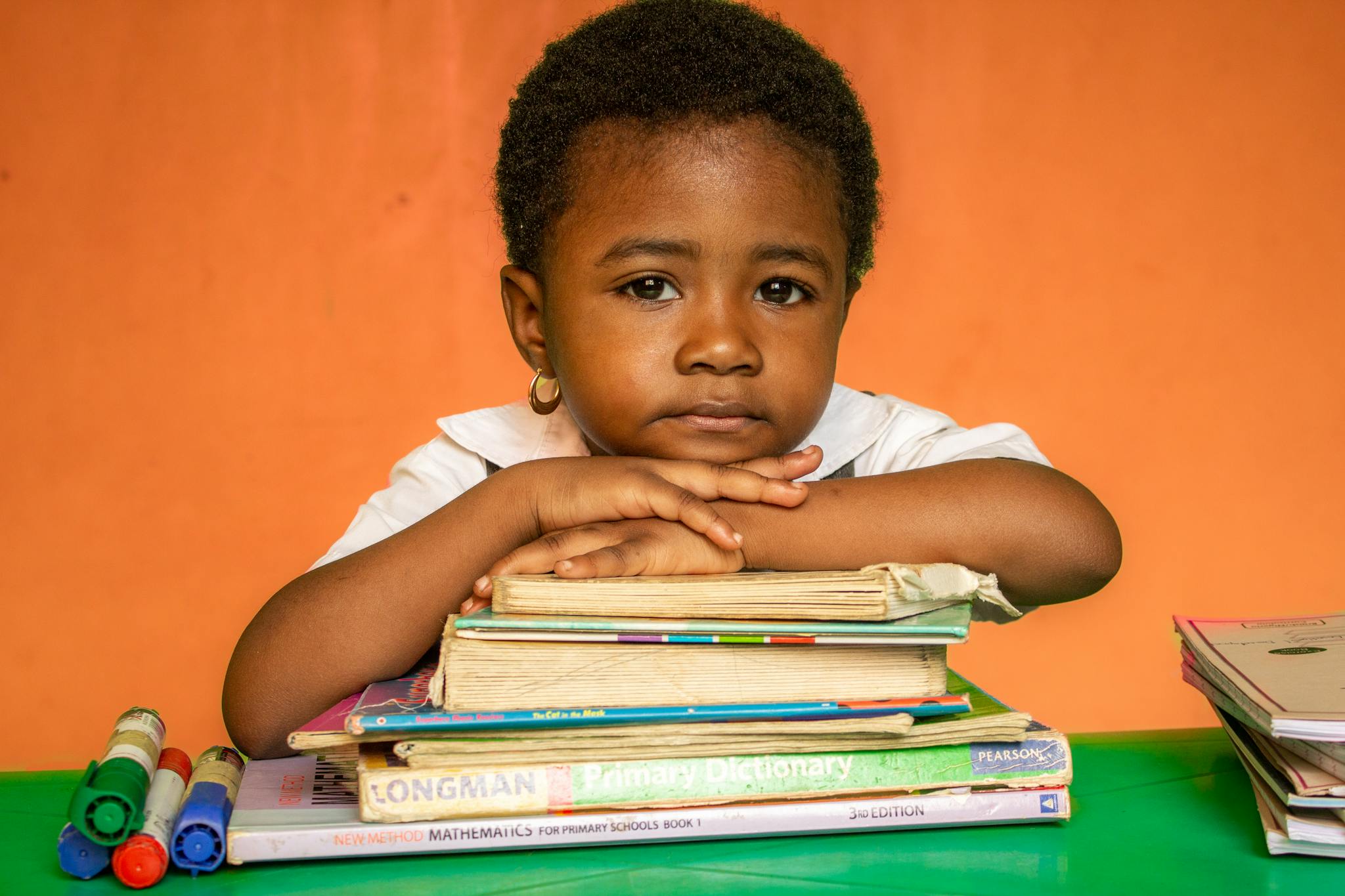
Since 2012, Obehi Ewanfoh’s research project, The Journey, has uncovered the “silent pillars” of the African Diaspora, parents who deliberately sidelined their own ambitions to fuel the ascent of their children. In the third phase of this study, The Color of Our Children, Ewanfoh investigates the friction within the Veneto school system, where the dreams of immigrant families meet the reality of structural barriers.
What began in the historic corridors of Verona, Vicenza, and Padova has evolved into a global map of the Diaspora, informed by over 1,000 interviews on The Obehi Podcast. Yet, few stories capture the heart of this movement like that of Valida Boafo, a Ghanaian mother living in Padova.
Hers is a narrative of “Reciprocal Success”, a high-stakes investment where a parent’s sacrificed time is reclaimed through a child’s institutional achievement.
Valida’s story reveals the “Sovereign” intent hidden within the immigrant struggle: a fierce refusal to let a closed door remain shut for the next generation.
Excavation – The Language Gatekeeper
In the Excavation Phase, we look for the moments where potential was stifled by institutional barriers. For Valida, that barrier was the “Language Gatekeeper.”
Upon her arrival in Italy, she possessed the ambition to enter the healthcare sector, a field that requires high-level communication and professional trust. She didn’t come to just “survive”; she came to contribute.
“I wanted to go to school to become a nurse, but they told me there was a language problem; I had to be very good at the language. I intended to study something here before returning to Africa. Eventually, I did health worker training…”
Valida’s story reveals a common Diaspora wound: the reduction of a professional dream into manual labor due to linguistic hurdles. In the eyes of the institution, her lack of Italian fluency equated to a lack of professional capacity.
However, instead of internalizing this as a failure, Valida excavated a new mission: The Surrogate Dream. She decided that her children would “recover the things I lost.” She shifted her focus from her own career to the “Institutional Sovereignty” of her children.
Translation – Schooling as a Family Investment
Phase 2 (Translation) involves reframing one’s reality into a brand of resilience. Valida does not view school as a state-mandated obligation or a place for social play. She translates the educational system into a Financial and Future Asset. In her world, a textbook is a piece of capital, and a classroom is a training ground for the family’s survival.
“School is an investment for both the children and the parents for the future of the family.”
In the Story to Asset™ framework, this is a masterclass in Family Alignment. Valida understands that in the Diaspora, a child’s diploma is not just a personal achievement; it is a “Sovereign Tool” that protects the entire family’s future.
To ensure this investment pays off, she admits to “persuading” her children to study hard, sometimes even by “putting fear” in their minds.
This is a cultural translation of the high stakes involved; she knows that in a competitive European society, a lack of education leads to the same “Economic Tenancy” she experienced.
Alignment – The Untapped Asset of the Diaspora
Valida provides a brilliant “Sovereign” suggestion for the Italian school system, which aligns with Ewanfoh’s call for Institutional Sovereignty.
She points out the absurdity of having educated Africans, Romanians, and other migrants working manual jobs while schools struggle to facilitate integration. She sees a “misalignment” between the available human capital and the institutional needs.
“They could take us, Africans, Romanians, those who are already educated, who have their diplomas, and give us short courses to help in the schools. If there is a Romanian child, there should be a Romanian teacher alongside them.”
She even critiques the quality of current instruction, noting that some English teachers in Italy have such heavy Italian accents and outdated methods that they fail to be competitive.
“These masters who teach English, for example, are not very good at explaining or even speaking; the pronunciation is all in Italian.”
Valida is identifying a Market Gap: the Diaspora itself is a library of untapped professional assets that could fix the very “integration” problems the government complains about. She suggests that the school should align its staffing with the multicultural reality of its students.
Creation – Challenging the “Ugly” Curriculum
In the Creation Phase, we look at the content being fed to the next generation. Valida is vocal about the “Software” of the school system. She recognizes that “Creation” is not just about what children learn, but how they are taught to see themselves.
“When they teach the kids, they teach the ‘brutto’ (the ugly things). This is not good.”
She recognizes that if the school only creates a narrative of African poverty, war, or “ugliness,” it damages the child’s Identity Wealth. Valida’s response is to be a corrective force at home.
She ensures her children see themselves as the “Recoverers” of her dreams, not as the “ugliness” portrayed in outdated textbooks. She creates a home environment where the African heritage is a source of pride and intellectual rigor, countering the narrow Eurocentric lens of the classroom.
Legacy – The Recovery of Lost Dreams
The final phase, Legacy, is Valida’s ultimate goal. She is not just raising children; she is raising Sovereign Successors. Her legacy is the transformation of her own struggle into her children’s Competitive Edge.
“I hope they can recover the things I lost. It is my dream. That’s why I push them, to study always…”
By pushing them to master the language that once blocked her, and to enter the institutions that once discouraged her, she is ensuring that the “Boafo” name moves from the periphery to the center of Italian society.
Her legacy is the successful “Recovery” of the professional status that the first generation had to sacrifice.
Lessons for the Sovereign Parent
Obehi Ewanfoh’s reporting on Valida Boafo offers three definitive tactical lessons for any Diaspora family seeking to own their genius:
- Transform Stifled Ambition into Strategy: If your dream was blocked by a “language problem” or a “diploma recognition” issue, don’t let it die. Turn it into a targeted goal for your children. They are the “Recovery Agents” of your family’s professional legacy.
- View Education as Capital: Do not treat school as a passive experience. It is a high-stakes investment. If the school is not “competitive” enough, you must be the “Manager” of that investment at home, providing the rigor the system lacks.
- Advocate for Your Professional Value: Like Valida, recognize that your foreign diploma and your bilingualism are assets. Even if you are currently working as a “sanitary operator,” your brain is a “Sovereign Institution.” Your perspective on how the system can be improved (like adding Diaspora teachers) is a valuable market insight.
Conclusion: The Relay Race of Sovereignty
Valida Boafo reminds us that “The Journey” is often a multi-generational relay race. She may have started with the hurdles of language barriers and labor-intensive jobs, but she is handing the baton to children who will run without those weights.
Her story is a testament to the fact that the African Diaspora in Italy is not just “integrated”; they are investing.
She proves that even when the institution says “No,” the Sovereign Parent says “Not for my children.” She has taken the “brutto” of her initial rejection and turned it into the “bellissimo” of her children’s future.
Are you ready to move from “Economic Tenancy” to “Institutional Sovereignty”? Are you pushing your children to “recover what you lost,” or are you letting the system dictate their limits?
The bridge to your family’s Fortress of Peace is built on the academic hunger and cultural pride you foster today. At AClasses Academy, we help you translate your past sacrifices into a roadmap for your children’s future.
Explore our Story to Asset™ courses to learn how to manage your family’s most important investment: its narrative.