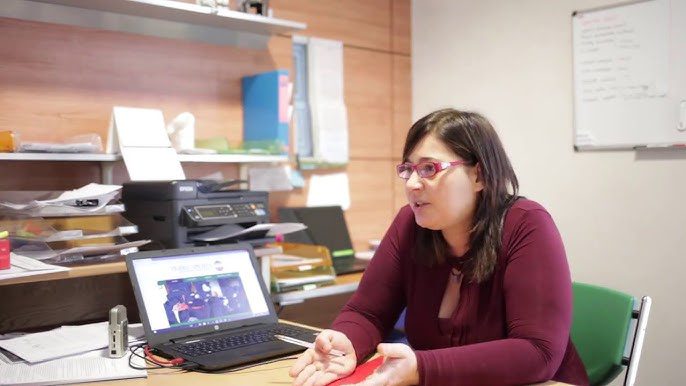
Nadia Gobbo, Spazio Aperto on WeRefugees Conference at the University of Verona
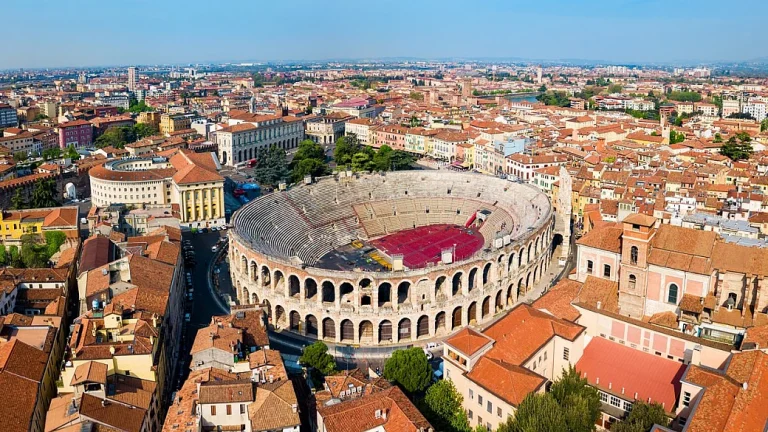
On June 20, 2016, the city of Verona became a focal point for a profound dialogue on the African diaspora and the refugee crisis. Organized by Obehi Ewanfoh, Legacy Story Consultant and host of the Obehi Podcast, the conference marked the culmination of his research project, The Journey. This initiative, which began in 2012/2013, sought to document the African experience in Northern Italy. Long before Ewanfoh was interviewing global business leaders, he was in the halls of the Venice Tribunal and the reception centers of Verona, capturing the raw, unfiltered reality of those seeking a new life. What follows is a presentation by Nadia Gobbo during the conference.
Learn How to Leverage Your Story through our Story To Asset Framework
The Speech by Nadia Gobbo
Good evening. I am Nadia Gobbo, Head of the Immigration Area for the Spazio Aperto Social Cooperative, based in Bussolengo, in the Province of Verona. Since October 31, 2014, I have managed the reception project for foreign citizens seeking asylum. We currently host approximately 850 people across 12 facilities, including hotels, apartments, and B&Bs throughout the Province of Verona.
We manage facilities of various sizes, ranging from small 10-bed units to the large, well-known Costagrande facility, which houses 500 people. The majority of those welcomed are young African men, along with 40 women and a group of individuals from Bangladesh and Pakistan. Since the beginning of this year, we have also been supporting several family units with a total of four children, the youngest of whom was born this past May.
As a mediating body, we operate under an agreement with the Prefecture of Verona and various partner companies. This “three-party” agreement defines our role as providing reception services and socio-linguistic-cultural mediation. The hotelier/host is responsible for the “hospitality” side: board, lodging, and laundry.
Under our contracts, the Cooperative receives €5 per day per seeker, plus €2.50 per day to be distributed directly to the migrant as “pocket money,” while €27.50 represents the hotelier’s share.
The Initial Reception Project Includes:
- Arrival & Onboarding: Providing a complete clothing kit and a €15 phone card. We also provide essential information regarding their location, their rights within the reception program, the stages of the international protection request, medical screening schedules, and facility regulations.
- Health & Medical Support: Linguistic mediation and accompaniment during mandatory health screenings (via the local health authority, ULSS) and all specialist medical visits. This includes providing medicines and paying healthcare co-pays (ticket sanitari).
- Legal Formalities: Linguistic support during trips to the Police Headquarters (Questura) to formalize asylum requests.
- Education: Organizing language courses within the facilities or enrolling residents in external courses organized by the CPIA (Adult Education Center) and other institutions.
- Bureaucracy: Managing the complex administrative side—appointments, medical bookings, health cards, and exemptions—without which no activity would be possible.
- Integration & Volunteering: Organizing volunteer work with local associations or socially useful labor in agreement with willing Municipalities.
- Public Awareness: Participation in cultural events where migrants can share their personal testimonies.
- School Projects: Initiatives in high schools in Verona to foster encounters between young migrants and local students.
- Direct Support: Disbursement of the €2.50 daily pocket money, legal orientation, and psychological support.
- Civic Education: Information sessions on the Territorial Commission process, civic education in collaboration with local law enforcement, and cultural awareness (e.g., gender rights in Italy, waste recycling procedures).
Additionally, with the support of Terra Aperta, a volunteer association founded in August 2015 to channel the solidarity of local citizens, we have activated:
- Theater courses and Art Therapy workshops.
- Guided city tours and excursions to the hills and mountains.
- Street cleaning initiatives with local Scouts.
- Vision screenings and literacy support.
Our multidisciplinary team consists of 25 operators with diverse backgrounds, including degrees in Political Science, Education, Foreign Languages, Literature (specializing in teaching Italian as a second language), and Psychology, as well as specialized transport staff with strong linguistic skills.
The Human Element: Empathy and Identity
In all these activities, the fundamental and indispensable element is empathetic listening. This means understanding tragedies of infinite proportions, trying to place ourselves in a “as if” state, feeling their emotions while maintaining the professional boundaries necessary for an educational role.
See also Buckarie Dumbuya on Business Development, Innovation, And Strategies To Be Successful
These are young men who need guidance in every small aspect of daily life, both due to their age and because they come from cultures with different customs and references. They need to be informed about our country’s civic duties and European history; only through knowledge can they find a new space for themselves after the uprooting of their journey.
For example, they need to understand that in Italy, schedules must be respected, commitments must be kept, women have the same rights as men, and we live in a democracy where opinions are expressed through appropriate channels. We teach constructive dialogue, conflict resolution as an opportunity, and the discovery of one’s own talents to provide them with the tools they need once they leave the program.
Our grand, perhaps utopian, goal is that they become capable of using public services independently, understanding that paying a bus fare is a prerequisite for being a good citizen, or arriving on time for a medical appointment. This helps them participate in the creation of a new identity.
Why a “new” identity?
A person arriving from a terrible journey, the desert migration, the Mediterranean crossing, arrives exhausted, frightened, and disoriented. They are welcomed in their sense of uprooting; they look like a large tree with “wounded, thirsty” roots in need of care.
“Who am I?” their imploring eyes seem to ask. “Who am I in this West that is so different from what my grandparents told me?”
Our goal is to help them recreate a new identity, a new place to be, new friendly faces, and a new space in the world, without denying their past, but focusing on the present.
The “here and now” is the underlying theme. It is the most complex part of daily life: knowing how to live today’s presence, seizing opportunities, and appreciating what one has rather than complaining about what is missing. We work to process the grief, the uprooting, and the suffering of their journey.
We don’t just face desperation; we face the frustration of failed expectations: the lack of work, a delayed document, a slow Commission. We give these things a “dimension of meaning” because to transform events into resources, one must first understand them.
Psychological pain often reflects in the body. We find ourselves treating physical wounds that seem unreal, stomach aches and headaches that “scream” the pain of a wounded soul. Only by listening to the body and the emotions can we transform that pain into the joy of a small daily event: buying a bicycle, new shoes, a soccer tournament, or earning a middle school diploma.
European citizens? Italian citizens? Perhaps simply citizens of the world. That is the only certainty we have today. We are, and they are with us. It is only by making space in the immense puzzle of the earth that everyone will find their perfect place in a single “Us.”
Thank you!
Nadia Gobbo, Head of Immigration Area
Conclusion
As we look back at these words from 2016, they serve as a timeless reminder that migration is not merely a political statistic or a logistical challenge, but a deeply human transformation.
The work documented in “The Journey” and the insights shared by Nadia Gobbo highlight a fundamental truth: that beneath the bureaucracy of asylum requests and the urgency of physical aid lies the delicate task of rebuilding a soul.
By fostering an environment of empathy, education, and mutual respect, we do more than just offer refuge; we participate in the profound act of stitching together a “new identity” for those who have lost everything.
Ultimately, this narrative reminds us that in an interconnected world, the success of the stranger is the success of the community, for when we make space in the immense puzzle of humanity, we find that there is no “them,” there is only a greater, more resilient “us.”