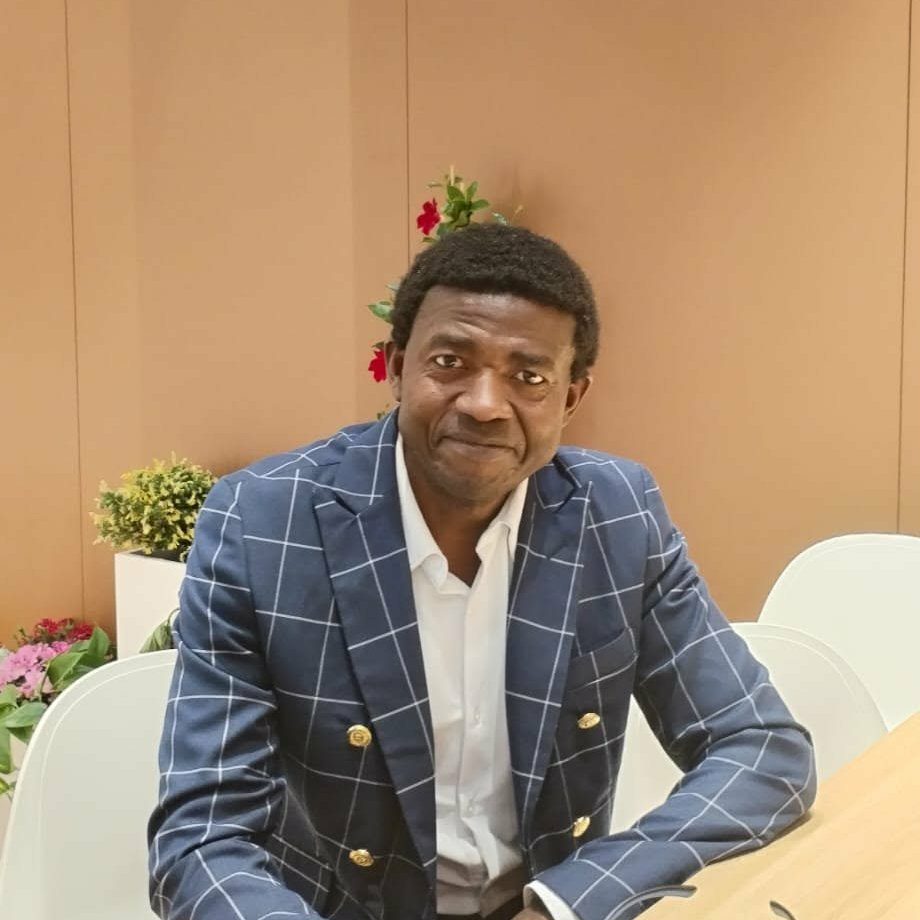
Prosper Nkenfack, President of Africa’s Friends on WeRefugees Conference at the University of Verona
On June 20, 2016, as the world paused for World Refugee Day, a vital conversation ignited within the halls of the University of Verona. More than just a conference, this gathering marked the climax of “The Journey”, Obehi Ewanfoh’s profound exploration into the souls and legal struggles of Africans in Northern Italy. Bringing together city leaders, scholars, and those who lived through the migration experience, this presentation unveils the raw findings of the WeRefugees – Verona 2016 study.
Learn How to Leverage Your Story through our Story To Asset Framework
From the witness stands of the Venice Tribunal to the quiet testimonies of asylum seekers, it offers a hauntingly clear window into a defining chapter of Italian immigration history. What follows is the presentation of Prosper Nkenfack, President of Africa’s Friends association in Verona.
The Return to Origins
A refugee is a person who has left their country for reasons beyond their own will. Even if they wanted to, they could not return.
According to a UN refugee report, by 2017 the number of refugees will rise to 1.19 million. A refugee’s return home is conditioned by a change in the situation that allows them to go back. Otherwise, they are forced to stay.
Therefore, talking about their return without first discussing their reception and social reintegration is out of place and absurd. This is why integration is so important. Being well-integrated also means preparing for departure, the future return, when conditions are finally guaranteed.
Integration: The Role of the Host Society
Anyone arriving in a new country or place has a lot to do. They must understand where they are, recognize or get used to the scents of the food and the places, make themselves known, and earn people’s trust.
The situation is even more serious for refugees, who are often unprepared and have sometimes suffered psychological shocks. If the original internal balance is not restored, how can one go back? This is why we sometimes see them wandering, going up and down.
This applies to refugees and migrants, not just Africans, but migrants in general. The best thing we can do is help these people integrate well. If we make an effort in this direction, we are simultaneously helping them prepare for a return to their origins.
Institutions, Industry Associations, and Migrant Associations (Very Important)
Institutions handle the legal side; associations act as intermediaries, helping people get to know the territory and find opportunities for job training, language skills, and more.
See also The Architect and Open Door: Pierluigi Grigoletti on Veronetta – New Faces Of a Neighborhood
Migrant associations act as witnesses. They have walked the same path, they speak the same language, and they share the same skin. Therefore, they are credible. This helps individuals find their balance and feel like part of a community.
For Refugees
It is impossible to be well or find balance if one does not feel part of the territory: trying to understand what can and cannot be done, what the territory is like, who represents it, and how they represent it. To participate, contribute, and help. Otherwise, we continue to waste time, and we risk compromising the possibility of returning.
Variants of Return (When all conditions are met, both in the country of origin and the host country)
First, there is a mental return
This stage prepares the physical return. One cannot return if they do not remain attached to their origins and the thought of going back. This involves spending time with compatriots and participating in cultural events.
The Festa dei Popoli (Festival of Peoples) in Verona is not just a chance to participate in local activities, but an occasion to remember our country of origin and talk about it. Remembering our country means: “One day I will return.”
There are also cultural events organized by various African associations in the area. These always carry a double meaning: social integration and preparation for the return journey.
African Summer School Verona: A place where Africa is discussed with Italians, but also with Africans. It covers how to return and how to prepare for it. Those who spend time in these spaces psychologically compare and reflect on what they will do when they go back.
The Intermediate Phase
There are those who go back and forth between the two countries. They don’t return definitively but make regular trips home to accompany tourists or businesspeople. They return to Italy after each trip.
Sometimes they have a business but cannot yet return for good, this is often the case for those with families or those whose business is not yet profitable enough to make them independent. So, they work here and travel during the holidays to oversee their activities.
Physical Return
This means packing the bags and taking the road back home. Here we are talking about both refugees and non-refugees who, after a period of stay, decide to go back. Many are doing this, even in Verona: people from Ivory Coast, Cameroon, and Kenya who return after studying and working to relaunch their lives at home.
Numerous Africans have made this choice. They have returned home and now speak of Verona and Italy only in the past tense. Others, like a certain Jean Francois, who worked for the Verona Fair Authority, now represents the company in Cameroon.
We can also mention Buda the Nigerian, and others, who have returned to their homeland and come back here only to purchase goods.
A Definitive Return?
Is there ever truly a return? A definitive one?
The story of a migrant and the host country is like marriage. When two people have loved each other and shared time together, that moment, whether bad or beautiful, is indelible. Even separation does not erase it (unless they have children, in which case things change again).
See also Turning Labels into Power for Diasporans: Moustapha Wagne on Veronetta – New Faces of a Neighborhood
This means that just as the migrant traveled mentally to their home country before leaving, when they finally return home, they remain mentally in the host country. It means that the “return” doesn’t truly exist and never will, because while they thought of their homeland from Italy, once in their homeland, they will do the exact opposite.
Prosper Nkenfack, President of Africa’s Friends, Verona
Conclusion
“Ultimately, ‘The Journey’ is more than a chronological record of migration in Northern Italy; it is a mirror held up to the complex reality of the human heart.
As we have seen through the lens of the WeRefugees – Verona 2016 project, integration is not a static destination, but a preparation for whatever comes next, be it a physical return to one’s origins or a mental stay in a new home. The work started by Obehi Ewanfoh in the halls of the University of Verona and the courtroom of Venice continues to resonate today.
See also The Sculptor and the Stranger: Marco Danielon on Veronetta – New Faces Of a Neighborhood
It reminds us that whether a migrant is building a business in Cameroon or a life in Italy, they carry both worlds within them. The ‘Return to Origins’ is not an end, but a transformation that redefines what it means to belong to a global community.”