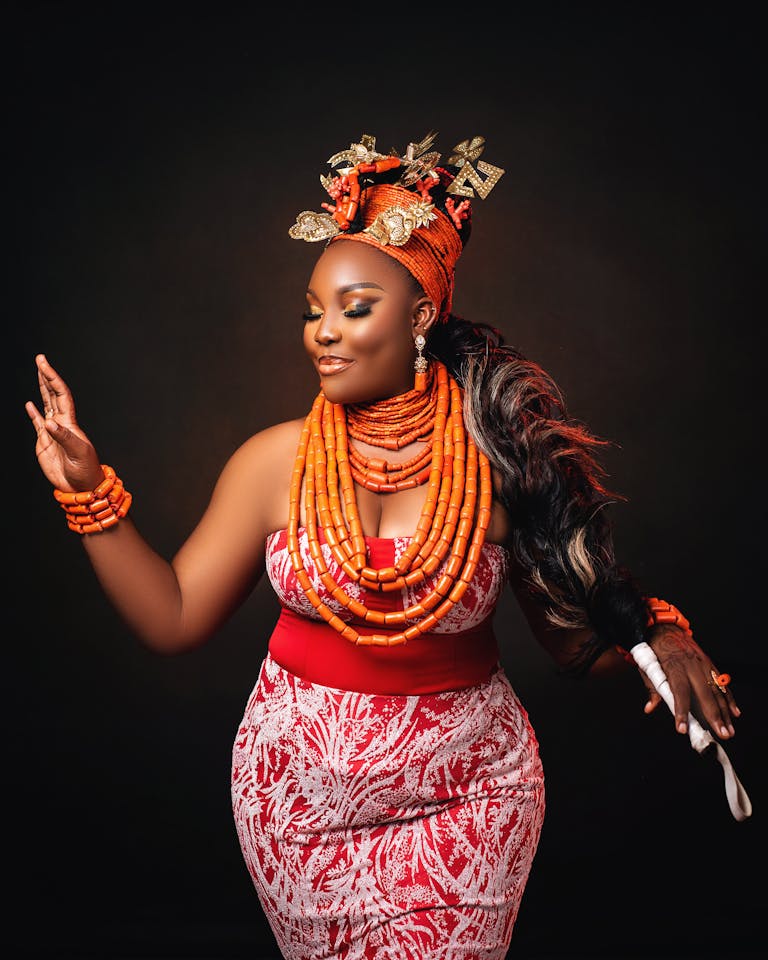
Are Esan and Edo the Same? Distinction vs. Connection: Finding Your Unique Niche in a Crowded Market
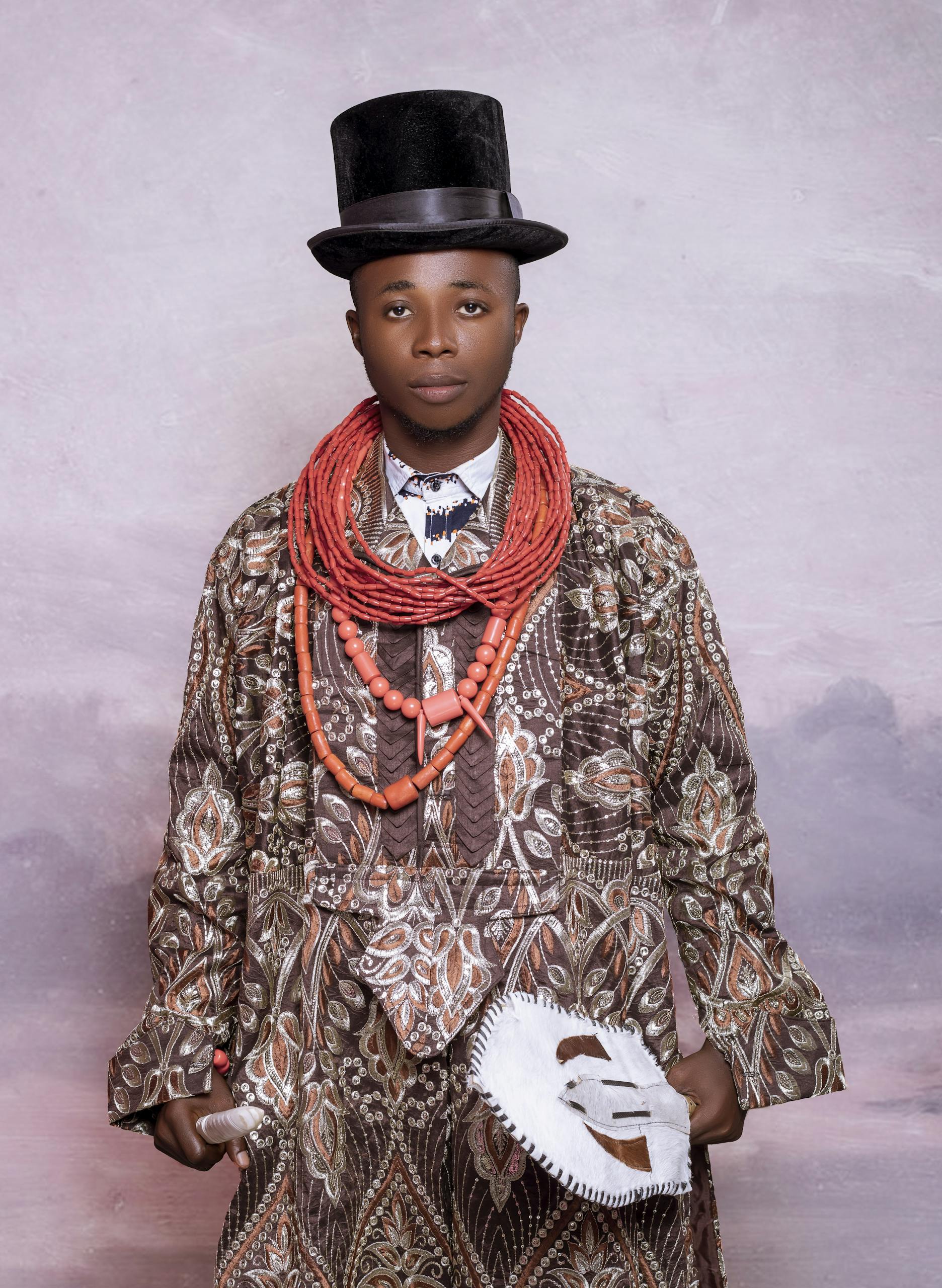
Common heritage is a foundation, but distinction is a competitive advantage. In the heart of South-South Nigeria, the relationship between Esan and Edo offers a perfect case study for the 21st-century founder. Is it one identity, or two distinct legacies? The answer holds the key to Brand Positioning. For those building global empires from local roots, learning to navigate this distinction is the difference between blending into the background and owning your unique niche.
Learn How to Leverage Your Story through our Story To Asset Framework.
To the untrained eye, two entities can look identical. They share roots, history, and rhythm. But to the expert, magic lies in the nuance.
Understanding the relationship between the Esan and Edo peoples reveals the ultimate secret of market dominance: how to honor your heritage while carving out a “Unique IP” (Intellectual Property) that makes you the only logical choice for your clients.
The Root and the Branch: A Tale of Shared Sovereignty
To answer the question: Esan and Edo are inextricably linked, but they are not the same. The Esan people, numbering about 1.5 million in population are an ethnic group living in Edo State, Nigeria. Linguistically and historically, they are part of the broader Edoid family.
According to historical accounts documented by scholars like Jacob Egharevba in A Short History of Benin, the Esan people primarily descended from migrants who left the Benin Empire during various periods of internal flux, particularly during the 15th-century reign of Oba Ewuare the Great.
See also Esan Geography And Topography – South of Nigeria – AClasses Academy
The word “Esan” itself is often derived from the phrase “E san fia” (they have fled). This wasn’t a flight of cowardice, but a strategic expansion. While they carried the legal structures, spiritual cosmology, and social hierarchies of the Benin Empire (Edo) with them, they adapted these to the lush, rugged terrain of the Esan plateau.
The Lesson for Leaders: The Edo (Benin) represents the Core Brand, the established authority. The Esan represents the Niche Specialist. They took the “Source Code” of the empire and optimized it for a new environment.
“In business, you don’t need to reinvent the wheel; you need to evolve it for a specific terrain. Your ‘Edo’ is your industry’s best practice. Your ‘Esan’ is your unique application of those practices.”
Distinction: The Power of the “Unique IP”
While the Edo and Esan share various traditions and a reverence for their ancestors, the Esan developed a distinct identity characterized by autonomy. Unlike the highly centralized administrative heart of Benin City, Esanland evolved into various autonomous kingdoms, head by (Onojie), each with its own specific flavor of leadership.
This is what we call The Legacy Pivot. In the modern market, being “general” is a death sentence.
- The Edo Strategy: Large-scale, foundational, and systemic.
- The Esan Strategy: Specialized, agile, and localized.
When a Diaspora Leader, perhaps a CEO in London or a Coach in Atlanta, tries to market themselves as “an expert for everyone,” they become a commodity.
They are just another “Edo” in a sea of history. But when they identify their “Esan”, that specific, unique methodology born from their specific trials and triumphs, they become an undeniable authority.
The African Spiritual Principle and the Individual Path
In many Edoid traditions, there is a belief in the Ehi, a person’s spiritual twin or genius. It is believed that before we are born, we state our mission (Uhi) before the Creator.
See also The Road Full of Nails: How to Master Focus and Forge Your Undeniable Legacy
Your business is no different. Your “Legacy IP” is the professional manifestation of your Uhi. The Esan people understood that while they honored the Oba (the source), their Ehi demanded they build something uniquely theirs on the plateau.
Cultural Nuance as a Premium Marketing Asset
In multi-generational family businesses, we often see a “dilution of story.” The third generation often forgets why the first generation started. They become “just another business.”
By studying the distinction between Esan and Edo, we see how to use Storytelling as a Differentiation Tool. The Esan didn’t just leave; they brought the Ukhure (ancestral staffs) and the iron-working skills of the Benin people, then refined them.
Case Study: The “Bronze” vs. The “Iron”
The Benin Empire is world-renowned for its bronzes. However, the Esan were master farmers and warriors who utilized iron and wood with a specific ruggedness required for their environment.
- Marketing Insight: If your competitor is the “Bronze” (the shiny, established corporate firm), you shouldn’t try to be “Bronze Lite.” You should be the “Iron” the durable, specialized, and hardworking alternative that solves a specific problem the Bronze cannot reach.
Using Photo Elicitation (PET) to Find Your “Esan”
At AClasses Academy, our founder Obehi Ewanfoh utilizes the Photo Elicitation Technique (PET) to help leaders find this distinction.
This involves using visual stimuli, archival photos of your journey, your family’s origins, or your early business days, to trigger deep-seated memories and “forgotten” knowledge.
Just as an Esan elder looks at an ancestral artifact and sees not just wood, but a lineage of survival, we help you look at your 20-year career and see a Proprietary Methodology. What is the “Benin Empire” of your career? (The big companies you worked for).
- What is your “Esan”? (The specific way you solved problems that nobody else could).
Research-Backed Data: The Value of Heritage
Research consistently shows that “Heritage Brands” outperform their peers in trust and pricing power. A study by the Journal of Brand Management indicates that brands that successfully communicate their history and “autonomy within tradition” can command up to a 25% premium over competitors.
The Esan people have maintained their identity for over 500 years despite being neighbors with one of the most powerful empires in history. They did this through Language and Oral Tradition. They kept their story alive.
Strategizing Your Legacy: Three Paths to Immortality
Understanding your “Esan vs. Edo” distinction is the first step. The second is packaging it. Depending on where you are on your journey, you need a different vessel for your story.
1. The Legacy Signature Program: Your Proprietary Solution
Just as the Esan developed specific agricultural techniques for their terrain, you have developed a specific way of doing business. We help you extract this “Esan Intelligence” and turn it into a high-ticket program. This isn’t just coaching; it’s your brand’s unique law.
2. The Legacy Book: Your “A Short History of You”
Jacob Egharevba’s work ensured the Edo story was never forgotten. Who is writing yours? A Legacy Book is the ultimate authority builder. It takes your 30 years of experience and codifies it into a message for the next generation. It is your “Iron” in the world of “Plastic.”
3. The Legacy Video: Your Cinematic Origin Story
There is a reason the Benin Bronzes are in museums worldwide; they are visual stories. A Legacy Video captures your “Why.”
For the Multi-Generational Family Business, this is the video that plays at your 50th-anniversary gala, explaining how your family’s “Esan-like” resilience built an empire. It connects your brand to generations yet unborn.
Conclusion: Don’t Just Be Part of the Empire—Build Your Own
Are Esan and Edo the same? No. They are family. They are connected by blood but distinguished by destiny.
As a Diaspora Leader or a Family Business head, you must stop trying to blend in. Your “Nigerian-ness,” your “African-ness,” or your 50-year family history is not a background detail, it is your primary competitive advantage.
See also Discover the Power of Decentralization: Lessons from the Esan People for Modern Founders
The market is crowded. The “Edo State” of your industry is full of people. But the “Esan Plateau”, that high ground where you stand alone as an expert, is waiting for you to claim it.
Your Legacy is Your Most Valuable Asset
Before you print another brochure or launch another generic marketing campaign, let’s talk about how to immortalize your unique story. Whether you are an established founder looking to package your expertise or a family business seeking to protect your heritage, your narrative is the key.
Book your free 15-minute Legacy Strategy Call today to design the asset that will tell your story for the next 50 years. Book Your Free 15-Min Legacy Call Now