How to Transform Your Personal Trauma Into a Signature Legacy Asset – Katina Horton
Every day, high-achieving professionals and entrepreneurs within the African Diaspora build massive success on temporary ground. They work hard as top-tier corporate executives, consulting experts, and brilliant founders. Yet, many remain trapped in a cycle of trading hours for dollars, essentially operating as high-value tenants in western systems. They accumulate physical things and professional titles to mask deep, unhealed spaces inside. True freedom, however, does not come from buying more things or working more hours. It comes from owning your narrative.
Is your story a liability or an asset? Take the 3-Minute Sovereign Audit to see if your legacy is secure.
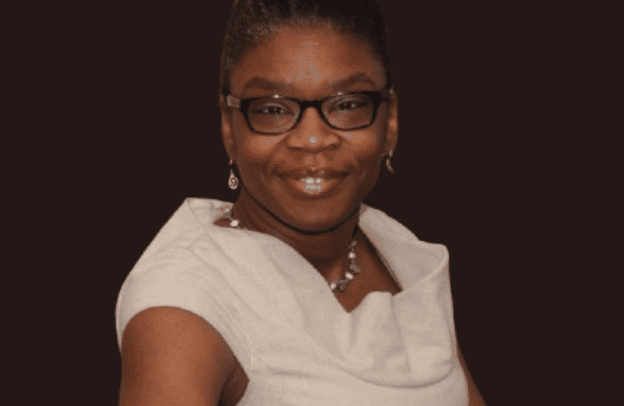
In a compelling episode of The Obehi Podcast, host Obehi Ewanfoh sat down with Katina Horton, an author, coach, and lifestyle organizer. Katina shared her deep wisdom on what she calls “Soul Clutter.”
She explained how old relationship trauma causes us to bind our emotions to physical possessions. By understanding her journey, diasporan leaders can learn to clear out emotional and physical clutter, reclaim their identity, and convert their life lessons into timeless, real-world assets.
Meet Katina Horton: The Voice of Soul Restoration
Katina Horton is a storyteller, stylist, organizer, Bible teacher, and toxic relationship recovery coach based in Lake Bluff, Illinois. She is the founder of Simple. Functional. Grace-Filled Living. LLC, and the creative force behind The Valley of Grace.
See also Designing Your Sovereign Enterprise: From Economic Tenancy to Architectural Ownership
Katina helps women who are dealing with toxic relationship clutter of the soul, space, and identity. Through her unique coaching methods, she guides clients to release control of people, places, and ideas that no longer serve them. Her goal is to help them break unhealthy attachments so they can flourish in life’s simple pleasures.
Growing up on the South Side of Chicago in the Bronzeville neighborhood, Katina was raised by teenage parents in the Madden Park housing projects. Despite the tough surroundings, she was surrounded by a loving family and excelled in academics, art, and spelling bees.
However, a major shift occurred when her family moved to a new apartment. She began witnessing physical domestic violence, an experience that shattered her childhood sense of security. At age 11, she and her mother returned home to find that nearly all their belongings were gone. Her father had walked out, starting a cycle of painful family absence that lasted for decades.
Katina buried this hurt under a mountain of perfectionism, a fear-based trauma response driven by the false belief that she was not enough. It was not until she faced her own divorce at age 39 that she began her deep healing journey.
Today, Katina has turned those heavy life lessons into a massive library of intellectual property, including 11 published books. She stands as a living example of how to transform a messy past into a clear, powerful message for global impact.
The Hidden Cost of Emotional Hardness
Many professionals believe that a bigger house, a higher salary, or a larger social media following will bring them peace. When life feels chaotic, the typical response is to look outward. People buy high-end brands, collect physical items, or chase new business contracts.
Katina points out that this behavior is often a sign of internal clutter. When we refuse to face past hurts, we accumulate things to fill the void. This leads to a state of spiritual and physical stagnation.
For the African Diaspora, this often shows up as building huge personal brands on digital platforms we do not own, leaving us vulnerable to shifting algorithms. We stack up external wins while our internal foundations remain unsettled.
Understanding Soul Clutter and the Scarcity Mindset
During her interview, Katina introduced a vital concept that explains why so many people feel stuck despite their hard work:
“Soul clutter is clutter that is involving people, places, things, and ideas. A lot of the reason why people keep the clutter is because they are trauma-bonded. There’s trauma that needs to be dealt with, and they believe if I get rid of these items, then the memories are going to go away with the items.”
See also Mindset & Personal Growth for Women of Colour – Ivy Ngwa
This attachment is deeply tied to two harmful mindsets rooted in childhood adversity:
1. The Scarcity Mindset
This mindset tells you that there is never enough to go around. It causes you to look for validation from others who share the same cynical view of the world. It keeps you small, fearful of sharing your true story because you worry that doing so will reduce your share of success.
2. The Poverty Mindset
This mindset forces you to try and fix past lack by over-accumulating things today. Katina shared how this affected her own life in her twenties:
“As soon as I get my first good paying job, then I’m going out spending goosaggs of money trying to go back to fix, not realizing I needed to do that internal work. So I was trying to fix a problem externally by going and getting the stuff that I could not afford… charging up credit cards, buying name brand purses one after the next.”
The poverty mindset creates a damaging habit loop: it convinces a person to pay for what they want but beg for what they need, such as therapy, coaching, or deep personal development. To break this cycle, you must stop looking outward for solutions and start looking inward.
The Four Pillars of Healing and Identity
To move from being a renter of your life to the architect of your destiny, you must establish an independent foundation. Katina uses four simple, memorable principles to guide this transformation:
- Own your story to own your healing: True healing requires looking honestly at every detail of your past. If you do not own your history, you cannot change its impact on your future.
- Heal so you don’t spill: Unhealed trauma acts like an open wound. If you do not take the time to mend it, you will bleed out onto your family, your employees, your business partners, and your community.
- Heal so you can rebuild: You cannot build a strong, lasting legacy asset on a messy, unstable foundation. Healing builds the resilience needed to design a stable future.
- Heal so you can be real: Healing removes the need to pretend. It gives you the confidence to be authentic, stand firmly in your own identity, and stop wearing masks for corporate or social acceptance.
When you commit to this process, you naturally discover your true value. Once you see your worth, you automatically set clear boundaries to protect it.
The Action: Step-by-Step Metamorphosis
Transformation does not happen all at once. It is built through small, deliberate actions. Here is how you can apply Katina’s repeatable framework to clear your soul clutter and build your own signature assets:
Step 1: Identify and Document
Write down the key events of your life, especially the difficult ones. Face them directly without changing the facts. As Katina did by writing a letter to her father, acknowledge what happened so you can stop running from it.
Step 2: Respect Your Local Boundaries
Look closely at your current daily habits. Notice how you handle your time, your physical space, and your professional boundaries. If you cannot manage a small space or a small business responsibly, a larger one will face the same issues. Start small by organizing one area of your life at a time.
Step 3: Codify Your Institutional Wisdom
Do not let your unique life lessons disappear when you stop working. Take your personal experiences and structure them into tangible assets. Write books, design framework models, create courses, or build independent platforms. This turns your personal growth into lasting intellectual property.
The Strategic Integration: Moving From Story to Asset
At AClasses Academy, this process aligns directly with our proprietary Story to Asset Framework™, which is built on over a decade of research and more than 1,000 interviews with diasporan professionals. Katina’s life work beautifully illustrates these three essential phases:
Phase 1: Mission Clarification
This phase solves narrative fragmentation. By looking back at her childhood in Bronzeville and her adult trials, Katina excavated her Golden Thread: using simplicity and grace to heal from trauma. She stopped letting her past dictate her life and instead used it as her defining anchor.
Phase 2: Message Crafting
Instead of selling her time for a basic hourly wage, Katina turned her personal survival strategies into a clear methodology called Declutterology and Freedomology. She captured this intellectual property across 11 books, creating Signature Assets that protect her legacy and spread her message independently.
Phase 3: Message Activation
By launching her own businesses, Katina moved past uncertain marketing efforts. She built a reliable structure that attracts clients who need her specific expertise. She stepped away from platform dependency and created her own independent professional ecosystem.
You might also like Master Your Message: How to Turn Business Writing Into Your Greatest Asset – Dr. Binu James Mathew
This systematic shift is exactly what allows leaders in the African Diaspora to discover their Generational Anchor, giving them the strength to withstand any cultural or economic storm.
Reclaiming Our Cultural Heritage Through Ubuntu
Katina’s message is deeply rooted in the African philosophy of Ubuntu, which reminds us that “I am because we are.” When an individual takes responsibility for their own healing, they are not just helping themselves; they are strengthening their entire community.
True ownership means stepping away from a mindset of lack and moving toward a mindset of abundance. It means realizing that our individual stories are part of a larger collective history.
By preserving our personal history and turning our insights into educational assets, we prevent the loss of community knowledge. We ensure that the generations following us will build on solid, self-owned ground.
Final Thoughts: Step Into Your Master’s Workshop
With over 2,000 insightful articles on AClasses Academy and more than 1,000 deep-dive interviews on The Obehi Podcast, our goal remains clear: to guide you away from building on rented space and help you achieve true professional ownership.
Your life lessons are far too valuable to be lost to long work hours or changing social media algorithms. Do not let your insights fade away. Treat your history as the valuable asset it truly is, clear out the internal clutter, and build a legacy that endures.
Take Control of Your Narrative Today
Are you ready to stop trading time for money? Take your unique life experiences and turn them into a powerful, scalable asset that establishes your authority and preserves your legacy.
Book your free 15-minute Legacy Strategy Call today to design the asset that will tell your story and position you as the ultimate authority in your industry.