The Architect of Excellence: How Dr. Heru Keonté is Reimagining Urban Education with John P. Holland Charter School
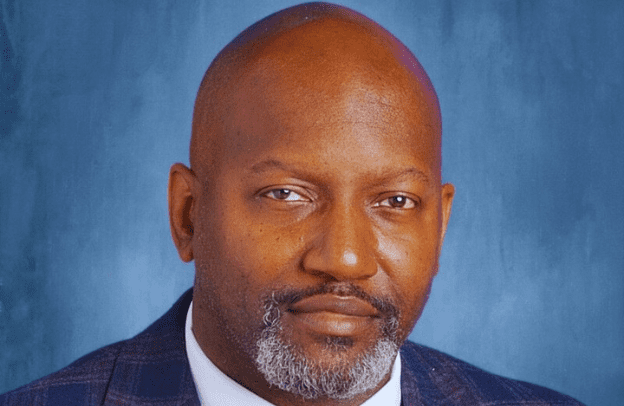
In the heart of the African Diaspora, there is a silent crisis brewing within our educational corridors, a lack of mirrors. For many young Africans growing up in Western urban centers, the classroom is a place of “Sovereign Learning” in theory, but in practice, it often feels like a foreign land. Dr. Heru Keonté, the Principal of John P. Holland Charter School, is changing that narrative by moving beyond the role of a consumer of public policy to becoming an Architect of Academic Excellence.
Learn How to Leverage Your Story through our Story To Asset Framework.
In a recent episode of The Obehi Podcast, Dr. Keonté shared his journey from the streets of Paterson, New Jersey, to the pinnacle of educational leadership.
See the full podcast interview with Dr. Heru Keonté
His story is not just a personal triumph; it is a repeatable methodology for any professional looking to turn their institutional wisdom into a legacy that serves the collective.
The Architect: Who is Dr. Heru Keonté?
Dr. Heru Keonté is a man whose name reflects his mission. Born and raised in Paterson, New Jersey, he witnessed firsthand the systemic fragmentation that often swallows the potential of young Black men.
In the 1980s, his community was 70% African American, yet he rarely saw a reflection of his own greatness in the front of the classroom. For 13 years, he served as an English Language Arts teacher, refining his “Message Crafting” before stepping into administration.
Today, holding a Doctorate in Educational Leadership from Kean University, Dr. Keonté serves as a “Sovereign Leader” in the urban education space. He is not just a principal; he is a community servant and a member of the Rotary Club, where he leads projects ranging from building wells in Haiti to supporting veterans.
His background is a blend of rigorous academic achievement and deep ancestral connection, proving that one can master Western systems without losing their “Generational Accord.”
The Pain of the “Only One”: Breaking the Mirror Ceiling
One of the most profound insights Dr. Keonté shared is the concept of “educational pain.” Despite his success, he often finds himself as the only person of color in high-level decision-making rooms.
See also The Sierra Leone Civil War, Causes And Consequences More Than 20 Years Later – Buckarie Dumbuya
This is a common hurdle for many in the African Diaspora. We climb the ladder only to find that the higher we go, the fewer “mirrors” we see.
“There aren’t a lot of Black men educators across America. That’s a problem because people relate more to people they have a common background with. I take joy in what I do, but I wish there were more men doing the same.”
This fragmentation is what AClasses Academy refers to as Mission Clarification. We must ask ourselves: Are we seeking positions just for the paycheck, or are we excavating the “Golden Thread” of our purpose to fill the gaps in our community? Dr. Keonté’s mission is clear: to provide the guidance he lacked.
Cultural Archaeology: Beyond the “Slavery Starting Point”
A cornerstone of Dr. Keonté’s methodology is Cultural Archaeology. He argues that the Western education system often begins the history of the African person at the point of the slave ship. To build a “Signature Asset” of self-worth in students, we must look further back.
- The Taino Connection: He teaches his Latino students that their roots in the Dominican Republic and Puerto Rico are intertwined through the Taino tribe, all rooted in the same soil.
- The Egyptian Equation: He challenges the “geographical gaslighting” that separates Egypt from the rest of the African continent in museums and textbooks.
- The Great Civilizations: By teaching about the Mali Empire or the Zimbabwe ruins, he moves students from a mindset of “Hope Marketing” (hoping they can be great) to “Message Activation” (knowing they come from greatness).
The Story to Asset Framework™: Turning Knowledge into Impact
Dr. Keonté’s approach aligns perfectly with the Story to Asset Framework™. He doesn’t just hold information; he activates it.
1. Mission Clarification (Solving Narrative Fragmentation)
Dr. Keonté identified that many young men in his community were choosing paths of “negative marketing,” crime, or entertainment, because those were the only visible roles.
By stepping into leadership, he clarified his mission: to make “Teacher” and “Leader” the most enticing roles in the neighborhood.
2. Message Crafting (Turning Expertise into a Signature Asset)
He realized that “each one teach one” is not just a slogan; it is a scalable system. He scours the works of scholars like Dr. John Henrik Clarke and Anthony Browder to create a curriculum that fosters “Self-mastery.” He has turned his lived experience into a repeatable methodology for urban resilience.
3. Message Activation (From Hope to Result)
In a world where the “powers that be” might benefit from a lower class, Dr. Keonté uses his platform to move students from being “Consumers” of a broken system to “Architects” of a new one.
He leverages the current teacher shortage not as a crisis, but as a point of negotiation for better salaries and higher standards.
The Global Village: Ubuntu in New Jersey
The philosophy of Ubuntu, “I am because we are”, is present in every project Dr. Keonté touches. Whether it is building a well in Haiti or organizing a food pantry for veterans, he understands that individual sovereignty is hollow without collective growth.
For the African Diaspora, “owning your story” means recognizing that our struggles in New Jersey are linked to the struggles in Lagos or London. When we share our “Institutional Wisdom,” we are not just helping one student; we are building a legacy that spans continents.
“What good is the information if it’s just in between my ears? I have to make sure that I pass it on to students. That’s all a part of education.”
The Master’s Workshop: A Checklist for Diaspora Leaders
If you are an entrepreneur or professional in the diaspora, Dr. Keonté’s journey offers a “Master’s Workshop” on how to lead. Ask yourself these three questions:
- Does my work promote Sovereignty? Am I teaching people to think for themselves or just follow my lead?
- Am I excavating my roots? Does my business reflect the “Generational Accord” of my ancestors, or is it a sterile “Digital Factory” product?
- Am I building a Tangible Asset? Beyond the work I do today, what framework am I leaving behind for the next generation to replicate?
Bridging the Gap: Your Journey from Consumer to Architect
At AClasses Academy, we have curated over 2,000 articles, and The Obehi Podcast has hosted over 1,000 interviews with visionaries like Dr. Keonté. We believe that your story is your most valuable asset. But a story untold is a resource wasted.
Dr. Keonté reminds us that education is the most powerful tool for “Legacy Building.” However, it requires more than just showing up; it requires the discipline of manners and the courage to seek out truths that aren’t in the standard textbook.
Your Next Step toward Self-Mastery:
Are you ready to move beyond “Hope Marketing” and start building your own “Signature Asset”? Whether you are in the classroom, the boardroom, or the storefront, your wisdom is needed. Don’t let your expertise stay “between your ears.”