Dr Ikechi Agbugba’s Guest Lecture On ‘Food Chain Security – A Proxy For Measuring Economic Development by Dr. Abdul Razzaque Nohri

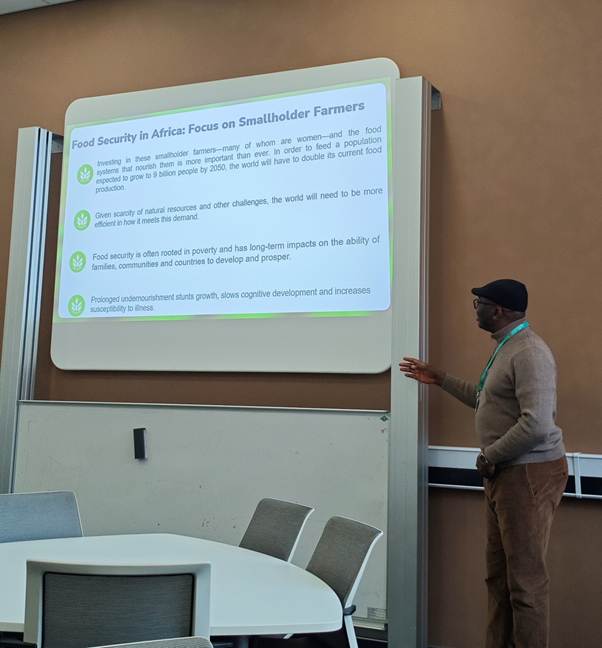
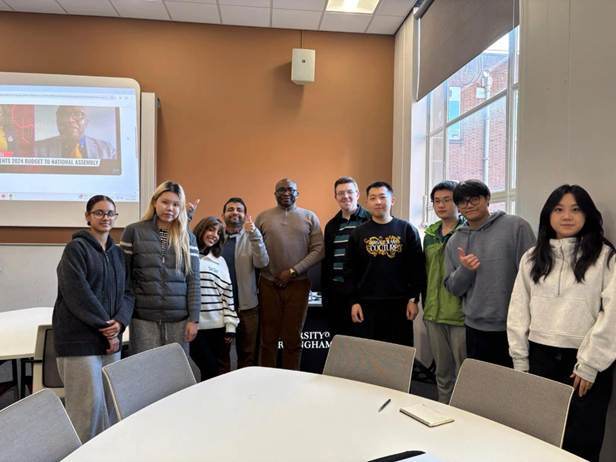
It was wonderful to attend the guest lecture by Dr Ikechi Agbugba on Food Chain Security on December 12th, 2025, at the Mechanical Engineering Building, University of Birmingham. From his lecture, Dr Ikechi’s delivery was somewhat loaded with insights, powerful, timely, and deeply relevant for anyone working in public health, agriculture, and policy.
Learn How to Leverage Your Story through our Story To Asset Framework.
Dr. Agbugba highlighted how food chain security is not just about producing enough food; it’s about ensuring that every step, from farm to fork, remains resilient, safe, and sustainable.
According to him, food security basically rests on four key pillars:
🔹 Availability – having sufficient food produced or supplied.
🔹 Access – people being able to obtain food physically and economically.
🔹 Utilization – ensuring the food consumed is nutritious, safe, and supports good health.
🔹 Stability – maintaining consistent access to adequate food over time, even in crises.
He also reinforced the determinants that shape a secure food system:
🌾 Climate resilience
🚜 Agricultural productivity
📦 Supply chain efficiency
💰 Economic and market stability
🏛️ Strong policies and governance
👩🌾 Community empowerment and education
Session reminds us that protecting the food chain is essential not only for nutrition and health, but also for equity, livelihoods, and national development. According to Dr Ikechi, food insecurity is often rooted in poverty and has long-term impacts on the ability of families, communities, and countries to develop and prosper.
Prolonged undernourishment stunts growth, slows cognitive development, and increases susceptibility to illness. More than 800 million people across the globe go to bed hungry every night, most of them smallholder farmers who depend on agriculture to make a living and feed their families.
Despite an explosion in the growth of urban slums over the last decade, nearly 75% of poor people in developing countries live in rural areas. Growth in the agriculture sector (from farm to fork or from seed to feed) has been shown to be at least twice as effective in reducing poverty as growth in other sectors.
Furthermore, the guest lecturer underscored that the growing inflation is not a problem exclusive to the United Kingdom, but its rates are well above the European average due to an unstable political and economic climate. It is important to remember that rising inflation can affect the supply chains of any country. For instance, Mexico reached 8.70% in September 2022 (although by April 2023, it had dropped to 6.25%).
Regarding supply chain and food supply issues in the UK, the guest lecture mentioned that the stability of the supply of food involves two basic elements, which are the safety of the food supply and the security of the supply.
He emphasised that food security is rooted in poverty, having long-term impacts on the ability of families, communities, and countries to develop and prosper. Higher fuel, feed, and fertiliser costs, as well as avian influenza outbreaks, have contributed to food price increase.
He further buttressed by current research conducted indicates that the UK government reports have published that this is largely due to bad weather conditions in Europe and Africa. Hence, there is also an impact from the high electricity prices on agricultural produce grown in greenhouses in the UK, the Netherlands, and other countries.
He referred to the recent research findings of Lingham et al. (2025) on the impact of Brexit on UK Food Standards and Food Security. From their study, he underscored that through realigning extractive economic models, the pre-Brexit UK food system has been reset, and new perspectives about neoliberalism have emerged.
Government intervention has steered away from traditional neoliberal framings towards neo-developmentalism.
A dichotomy thus exists between recognizing the intrinsic right to adequate and nutritious food and maintaining existing cultural dynamics of food supply, and the use of agri-food policy as a politico-economic tool to drive higher economic growth. The implications of this policy change are stark for UK agri-food actors within the food system transition post-Brexit.
Since inflation is a macroeconomic condition that individuals cannot control, he stated how its impact can be mitigated to some limited extent, and these include:
- Engaging Productivity: Agriculture is a business, and productivity is crucial to a company’s success. Being productive means getting the best results with the least number of resources, which is the main objective of farming.
- Practising Diversification: Relying on a single crop is an increasingly risky decision. Therefore, farmers across several regions diversify their crops to reduce dependence to mitigate price fluctuations for specific products.
- Establishing cooperatives/cooperations: Developing scale economies to reduce production costs is not new, but the importance of belonging to an association where strategic alliances are established to face risk together is becoming increasingly necessary.
He further stated that the solutions to food insecurity in the UK would require a multi-dimensional approach, focusing on ensuring adequate income through fair wages and benefits, strengthening nutritional safety nets (such as Free School Meals), and transitioning from emergency food aid to sustainable, community-based solutions.
Key strategies include implementing a “cash-first” approach to support, expanding Healthy Start vouchers, reducing food waste via redistribution, and ensuring long-term government funding for local anti-poverty initiatives. He shared his insights on this from the Road Map to Reducing Food Insecurity in the UK, which was anchored by the Food Foundation.
May I extend appreciation to our program lead, Associate Professor Daniel Drage, and Head, Food Safety Group, Associate Professor Lisa Winnall, for the time and opportunity to learn and reflect on the subject as shared by the guest lecturer.
ABOUT DR ABDUL RAZZAQUE NOHRI
Dr. Abdul Razzaque Nohri is a sustainability-focused public health professional, senior licensed pharmacist, and Chevening Scholar, currently a postgraduate student at the University of Birmingham.
See also Rooted Revival: How Dangote’s Fertilizer Push Could Signal a New Chapter in Africa
With over a decade of multidisciplinary experience, his work sits at the intersection of public health research, pharmaceutical practice, environmental health, and health communication, driven by a commitment to fair, resilient, and climate-aware health systems.
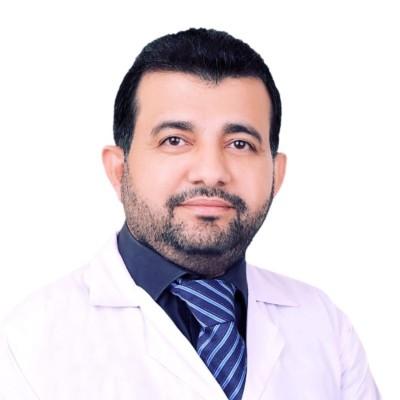
Dr. Nohri has collaborated with internationally respected healthcare networks, including the Aga Khan Development Network (AKDN), contributing to evidence-based initiatives aimed at improving health outcomes in vulnerable and underserved populations.
His professional background spans clinical practice, medicine management, research design, and public health interventions, enabling him to translate scientific evidence into practical, patient-centred solutions.
As a researcher and academic peer reviewer, Dr. Nohri has authored multiple peer-reviewed scientific publications and regularly reviews manuscripts for academic journals, supporting the integrity and quality of scientific literature. Beyond academia, he has written seven educational eBooks published on Amazon, extending his impact to global audiences and promoting accessible, evidence-based health literacy.
His research interests include environmental and occupational health (air and water quality, food safety, and climate-related health risks), mental health and well-being, and the role of social, economic, and environmental stressors in shaping health outcomes.
Guided by compassion and a strong commitment to public health equity, Dr. Abdul Razzaque Nohri brings valuable expertise to research-informed advocacy and healthcare initiatives, with a focus on sustainable solutions that protect health, preserve the environment, and improve lives.
Learn How to Leverage Your Story through our Story To Asset Framework.