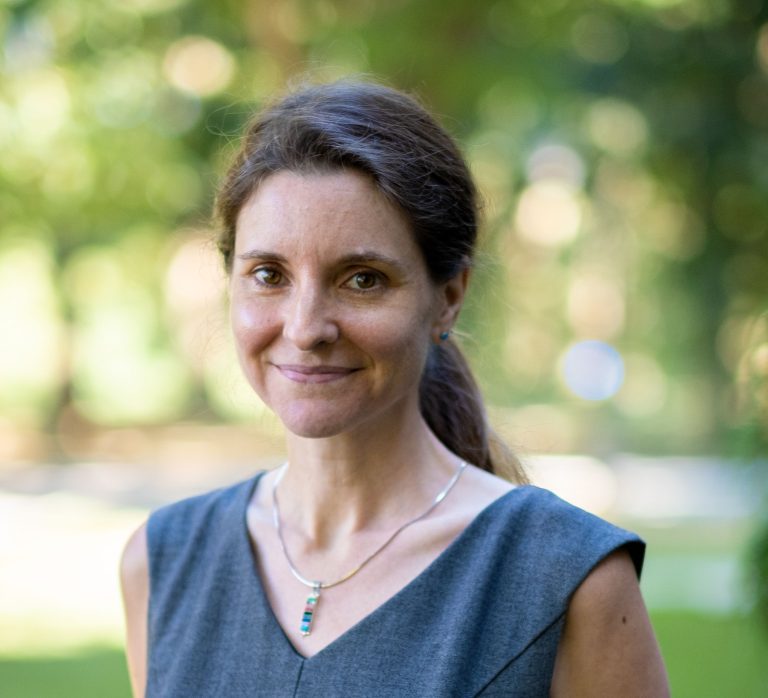
The Silent Siege: Kaye Woodard on Protecting Black Economic and Physical Health
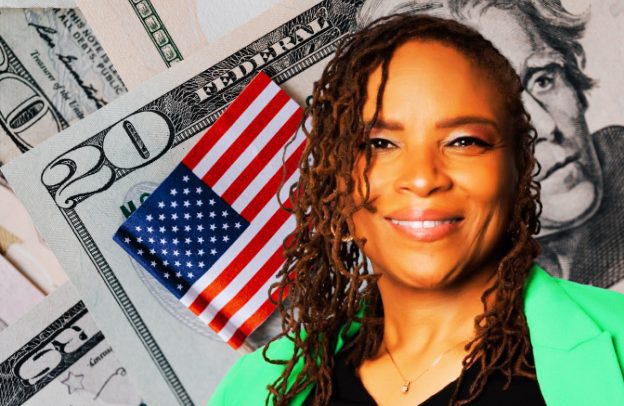
In a world that often feels like it is moving backward, how does a community move from being a consumer of policy to an architect of its own survival? This was the central question of a recent conversation on The Obehi Podcast, where Kaye Woodard, a Transformation Coach and Health Data Strategist, joined host Obehi Ewanfoh to discuss the systemic challenges facing the African Diaspora in the United States.
Learn How to Leverage Your Story through our Story To Asset Framework.
At the heart of the discussion was a sobering reality: the dismantling of Diversity, Equity, and Inclusion (DEI) frameworks and their direct impact on the economic and physical well-being of Black families.
Woodard argues that what we are seeing is not just a political shift, but a calculated effort to “black out” the progress of an entire demographic.
Meet the Guest, Kaye Woodard
To understand the weight of this conversation, one must first understand the journey of Kaye Woodard. She is the founder of Livalytics, a platform born out of her own personal needs.
After facing a debilitating joint and connective tissue disorder that threatened her mobility and quality of life, Woodard refused to be a statistic in a healthcare system that often overlooks the nuances of Black health.
See also Breaking Barriers: Leisha McKinley Beach on the US Public Health System & HIV with Black Americans
Instead, she became a student of her own biology. By blending behavioral science, analytics, and faith-informed wellness, she rebuilt her health from the ground up. Today, she uses that same data-driven methodology to help organizations and individuals maximize their performance.
Woodard stands as a testament to Self-mastery, turning her personal struggle into a Signature Asset that now empowers thousands to own their stories and their health.
Her perspective is not merely academic; it is lived. As one of the first children to integrate schools in America, Woodard has watched the pendulum of progress swing back and forth. Her mission today is to ensure that the next generation has the tools, both financial and physical, to withstand the current political climate.
The Economic Blackout: 300,000 Stories Erased
The conversation opened with a startling statistic: over 300,000 Black women have recently lost their jobs following the aggressive scrubbing of DEI programs across US corporations and government sectors.
Woodard explains that DEI was never about “handouts”; it was a mechanism to ensure that the most educated segment of the American population, Black women, simply had a seat at the interview table.
“DEI was established because of racism in America and to level the playing field. It is not forcing any organization to hire someone just because of the color of their skin. It is asking an organization to widen the pool of applicants.”
When these programs are erased, the “Golden Thread” of economic mobility is severed. For these 300,000 women, the loss is not just a paycheck; it is the loss of health insurance and life insurance, creating a “Mission Clarification” crisis for thousands of households.
This is what Woodard calls a “Black economic blackout,” where the system effectively removes the breadwinners of the community to maintain a specific social hierarchy.
The Evolution of DEI: From Compliance to Culture
While the modern DEI (Diversity, Equity, and Inclusion) industry lacks a single “start date,” its foundation was built on the U.S. Civil Rights Act of 1964.
This landmark legislation transformed discrimination from a social grievance into a legal liability, forcing organizations to rethink their workforce composition.
A Decade-by-Decade Timeline
- 1960s: Compliance & Affirmative Action. Initial efforts focused on legal mandates and proactive hiring to address racial underrepresentation.
- 1970s: Gender & Groups. The Feminist Movement expanded the scope to gender equality. Xerox launched the first Employee Resource Group (ERG), pioneering peer support.
- 1980s: Broadening Identities. The focus shifted from a black-white binary to include ethnic, religious, and LGBTQ+ identities.
- 1990s: Professionalization. The “Chief Diversity Officer” role was born. The Americans with Disabilities Act (1990) integrated accessibility into the corporate framework.
- 2000s: Training & Bias. Organizations moved toward education, launching programs on unconscious bias and sexual harassment prevention.
- 2010s: Business Strategy. DEI became a competitive advantage. Movements like #MeToo and the legalization of same-sex marriage shifted the focus toward allyship and multicultural marketing.
- 2020s: Holistic Justice. High-profile social movements (#BlackLivesMatter, #StopAAPIHate) forced companies to move beyond representation toward psychological safety and cultural intelligence.
The Current State of the Industry
We are currently in a “shakeout” phase. Following a surge of corporate interest in 2020, 2022–2023 saw a significant backlash and political polarization. However, the data suggests that DEI is not disappearing; it is simply maturing.
Performance-based “slacktivism” is fading, while serious organizations are continuing the work more quietly.
Market Projections (2022–2030)
| Metric | 2022 | 2030 (Projected) |
| Market Value | $9.4 Billion | $24.4 Billion |
| Growth Rate (CAGR) | — | 12.6% |
Where is DEI Headed?
Despite legal challenges and shifting political winds, DEI is likely to endure for three reasons:
- Stakeholder Demand: Fortune 500 investors and employees still prioritize inclusive cultures.
- Competitive Advantage: Companies with diverse teams continue to outperform in innovation and talent retention.
- Linguistic Shifts: The acronym “DEI” may eventually be replaced by terms like “Belonging,” “Culture,” or “Human Capital,” but the core objective—creating equitable environments—remains a business necessity.
Cultural Archaeology: The Roots of the Health Gap
Woodard’s methodology, Faith + Data + Action = Generational Health, is rooted in a deep understanding of history. She reminds us that the struggle for healthcare is part of what she calls “The Generational Accord.” In the 1920s, medical papers were published suggesting that if Black people were denied healthcare, they would eventually “die out.”
See also Reimagining Women’s Health: A Call to Action in the 2024 US Presidential Election
This historical trauma has created a deep-seated mistrust in the medical establishment. However, Woodard argues that the path to Sovereign Learning lies in taking back control of our data.
By tracking our own metrics, hydration, sleep, and how our bodies react to specific foods—we move away from being “crash dummies” for a system that doesn’t prioritize us. We move toward the Legacy Building by becoming our own first responders.
This is Ubuntu in practice: when we empower the individual to be healthy, we strengthen the collective.
The “Protest Blackout”: Moving from Hope to Activation
In response to these systemic attacks, Woodard and her community are not taking to the streets with signs; they are taking their money out of the market. This is the Message Activation phase of her movement.
The “Protest Blackout” is a strategic withdrawal of labor and capital from major corporations that support anti-DEI agendas.
- The Strategy: From late November through early December, the goal is to spend zero dollars with major corporations.
- The Reallocation: Redirecting those funds toward Black-owned businesses, local entrepreneurs, and community-based health initiatives.
- The Goal: To demonstrate that the system cannot stand without the innovation and labor of the Diaspora.
Obehi Ewanfoh noted that this is the essence of moving from “Hope Marketing”, hoping the government will change, to a “Client Acquisition Machine” for our own community businesses. By “owning our story,” we realize that our economic power is the only language the system truly respects.
Building the Sovereign Support System
The dialogue between Woodard and Ewanfoh touched on the “Master’s Workshop” of community building. They discussed the necessity of the African Diaspora, over 20 million strong in the US, to build proprietary solutions. This includes:
- Dual Citizenship & Heritage: Reconnecting with the African continent not just as a place of origin, but as a base for geopolitical power.
- Health Sovereignty: Utilizing apps and systems like Livalytics to manage community health outside of expensive, biased insurance models.
- Institutional Wisdom: Encouraging Black doctors, nutritionists, and strategists to collaborate directly with the community.
As Ewanfoh passionately argued, the solution will not come from “international mafias” or colonial frameworks like the Commonwealth if they continue to be headed by the very entities that took the wealth to begin with.
True Legacy Building happens when the Diaspora and the Continent work together, much like the grain and the cob of a corn stalk.
From Consumer to Architect: Your Next Step
The “Kind Scientist” lens tells us that the data is clear: the current systems are not designed for our thriving. To move from being a consumer of these events to an architect of your future, you must begin to treat your life and business as a Signature Asset.
Kaye Woodard’s message is a call to Self-mastery. Whether it is through tracking your health data or strategically choosing where to spend your next dollar, every action must contribute to the “Generational Accord” of Black excellence and survival.
At AClasses Academy, we believe in the power of Sovereign Learning. With over 2,000 articles and 1,000 interviews from The Obehi Podcast, we provide the intellectual scaffolding for you to build your legacy.
Don’t let your expertise remain unscalable. Book your free 15-minute Legacy Strategy Call here.