Breaking Barriers: How Mounia Aram is Scaling African Animation for the Global Stage
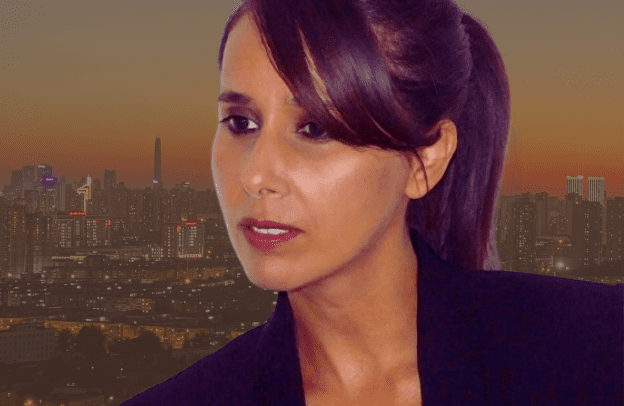
The stories we consume as children form the blueprint of our adult reality. For decades, the global narrative regarding Africa has been one of “Hope Marketing” or historical stereotypes: lions, jungles, and monolithic struggles. But a new architect is redesigning this landscape. Mounia Aram, the founder of Mounia Aram Company (MAC), is on a mission to ensure that the next generation of African children sees themselves not as spectators of the world, but as the protagonists of their own high-tech, vibrant, and culturally rich stories.
Learn How to Leverage Your Story through our Story To Asset Framework.
Mounia’s journey is a great example of Self-mastery and the Ubuntu spirit of collective growth. Her work isn’t just about making cartoons; it is about “Mission Clarification” for an entire continent.
By connecting African creators with global broadcasters, she is building a “Signature Asset” out of oral tradition and modern creativity, proving that when you own your story, you own your future.
The Architect of Diversity: Who is Mounia Aram?
Mounia Aram is a Franco-Moroccan powerhouse whose life story reads like the very animation she produces: a journey of resilience, border-crossing, and audacious dreaming. Born in Casablanca and raised in Trappes, France, she built her career from the ground up without a traditional academic pedigree.
See the full podcast interview with Mounia Aram
In an environment like France, where diplomas often act as rigid gatekeepers, Mounia chose to bypass the “Digital Factory” mindset. She looked toward the United States and Japan to sharpen her tools, eventually becoming a world-class negotiator and a member of the International Academy of Television Arts & Sciences (the prestigious body behind the Emmy Awards).
Today, Mounia is more than an entrepreneur; she is a cultural archaeologist. Through her company, she scours the continent for “Institutional Wisdom,” finding female creators and visionary artists from Nigeria, Kenya, South Africa, and beyond. Her goal is to turn their unscalable expertise into global intellectual property.
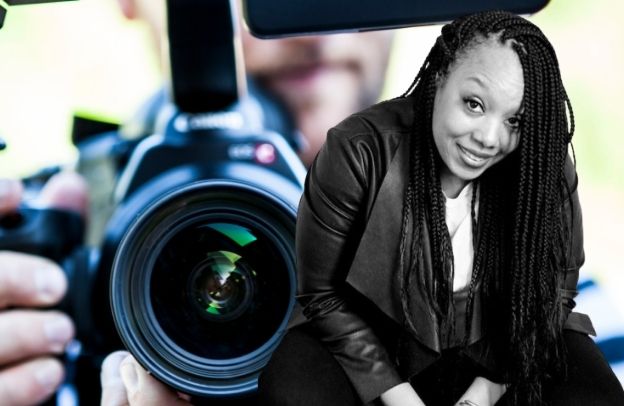
See also Aysha Scott Talks About Her Profession as A Black British Female Filmmaker
She serves as a mentor for Women in Animation and a board member for Diversify TV, traveling from Jamaica to Ethiopia to ensure that African DNA is woven into the fabric of global media.
The Strategy of the Self-Made: Breaking the Diploma Barrier
Many professionals in the African Diaspora face a common wall: the “Recognition Gap.” Like Mounia, you may find that your institutional knowledge is not always validated by the systems in your host country. Mounia’s approach to this was simple yet revolutionary: she turned her name into the brand.
“You won’t remember where I was working, but you will remember my name. I decided to build a brand with my name so that I am the asset.”
This is the essence of Sovereign Learning. Mounia realized that in the entertainment industry, as in any business, the certificate is the “Consumer” level. The “Architect” level is the ability to deliver results and build a network of trusted partners.
By refusing to be limited by a lack of a specific paper, she moved from seeking a job to creating a marketplace. She didn’t wait for permission to be a leader; she activated her message and built a “Client Acquisition Machine” based on her unique ability to bridge the gap between African talent and international broadcasters.
African Animation: From Fantasy to Contemporary Reality
One of the most profound lessons Mounia shares is the need to move past the “Fantasy Africa” cliché. In her animation projects, you will see girls on hoverboards and characters using smartphones. This is the “Golden Thread” of her mission: showing Africa as it is today: modern, tech-savvy, and bursting with contemporary energy.
The Generational Accord: Past, Present, and Future
Mounia describes a specific project where children living in the modern day are told stories by their grandmother. These stories transport them back to the era of African Queens, Emperors, and Amazons. This “Cultural Archaeology” serves a dual purpose:
- Identity Building: It grounds the youth in their ancestral roots.
- Modern Relevance: It shows how that ancient wisdom applies to today’s problems.
This is the Story to Asset Framework in action. By taking a historical narrative (the story) and turning it into a digital product (the animation asset), she creates something that can be scaled and sold globally while preserving the cultural soul of the continent.
The Entrepreneur’s Toolkit: Multitasking and Mentorship
Mounia believes that women, particularly those in the Diaspora, are natural-born entrepreneurs because they are “Multitasking Architects.” Managing a household, a career, and a community requires the same logistical precision as running a multinational corporation.
See also Rebranding Agriculture as An Attractive Career Option for Women And Young Africans with Vanda Cabral
To move from “Hope Marketing” (hoping someone notices your talent) to “Message Activation,” Mounia suggests three specific pillars:
- Radical Flexibility: When the pandemic hit, Mounia didn’t stop. She shifted her strategy from physical festivals to online visibility. She became a “Powerhouse” by being present where the attention was.
- Selective Networking: Surround yourself with “Master’s Workshop” people. Avoid the “Digital Factory” noise and negativity. Find mentors who see your vision even when you are in a “bad place.”
- The Power of Resilience: In the Esan and Ubuntu traditions, we are because the community is. Mounia’s success is built on a foundation of people who supported her when she was “painting the bicycle” to find her balance.
Leading the Narrative: Be the Actor, Not the Spectator
Mounia’s final message to the millions of Africans in the Diaspora is a call to Self-mastery. “Life is too short to be a viewer,” she says. “If you hate your boss, don’t complain. Be your own boss.”
Independence is not just about financial gain; it is about the freedom to tell your own story without a colonial filter. When we tell our own stories, we ensure they are authentic. We move from being discovered by others to discovering ourselves. This is the path to Legacy Building.
Your Signature Asset: The Next Step
The transition from a “Consumer” of global media to an “Architect” of African legacy begins with a single step of action. Mounia Aram has shown that with curiosity, a hard-working spirit, and a commitment to diversity, we can shake the world.
See also 6 success habits of Elon musk you can apply today in your business
Are you ready to stop trading your time for a paycheck and start building your own sovereign brand? Whether you are in Paris, Rome, or Lagos, your story is your most valuable intellectual property. It is time to turn that expertise into a scalable asset that serves the collective growth of our people.
To learn more about how to refine your message and activate your mission, explore the resources at AClasses Academy. With over 2,000 articles and 1,000 interviews from The Obehi Podcast, we provide the tools you need to move from “Roots to Relevance.”