The Peter Obi Blueprint: How to Build a Legacy That Outlasts Your Career
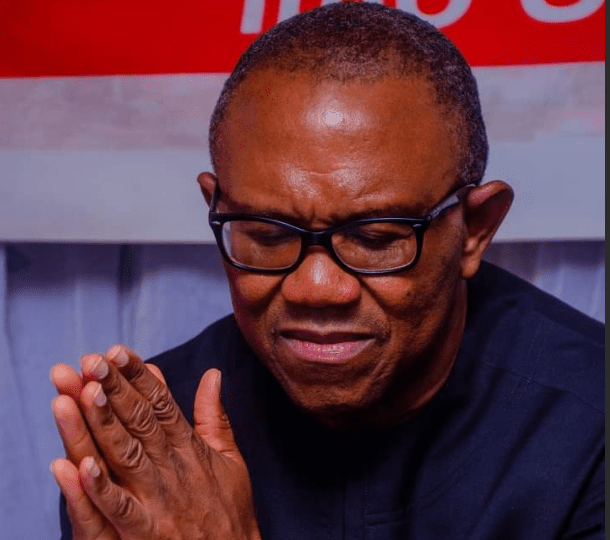
We have all seen the headlines about Peter Obi – politics, rallies, and the movements. But if you strip away the noise and look at the man’s history as a businessman and a leader, you find a much deeper story. It’s a story about Institutional Building. Most people spend their lives working for an institution (a bank, a hospital, a government). Peter Obi spent his life building them.
Learn How to Leverage Your Story through our Story To Asset Framework.
He moved from being a simple trader to the Chairman of a major bank, then to a Governor who left a massive financial legacy, and finally to a global symbol of integrity.
For the modern professional in the Diaspora, Peter Obi provides a “Blueprint” for what we call Sovereign Leadership. It’s the art of turning your personal success into a permanent institution. Here is how you can use his “Prudence and Purpose” model to build your own legacy.
1. Stop Being a “Worker” and Start Being an “Architect”
The biggest lesson from Peter Obi’s career is the shift in mindset. Most people are “Workers”, they sell their time for a paycheck. Even high-earning doctors or lawyers are often just “high-paid workers.” If they stop showing up, the money stops.
Peter Obi, even in his early days in the private sector, focused on Infrastructure. He didn’t just sell goods; he built companies like Next International and took leadership roles in financial institutions like Fidelity Bank. He understood that a person can get tired, but an institution can run forever.
The Lesson:
Look at your current career. If you disappeared for six months, would your work continue? If the answer is no, you are a worker. To build a legacy, you must start thinking like an Architect.
You need to turn your expertise into a System that others can follow. This is the first step toward true sovereignty.
2. The Power of “Invisible Assets”
One of the most famous parts of the Peter Obi story is the $500 million he left behind in the state coffers when he finished his term as Governor. While other leaders were spending every penny, Obi was “investing for the future.”
He looked for “Invisible Wealth”, small savings, avoided waste, and smart investments, and turned them into visible assets.
The Lesson:
As a Diaspora professional, you have “Invisible Assets” too. You have twenty years of experience, a unique way of solving problems, and a network of people who trust you. Currently, that wealth is “invisible” because it’s only in your head.
To follow the “Obi Blueprint,” you must make that wealth visible. Document your process. Record your teachings.
Turn your “Invisible Wisdom” into a Digital Asset (like a course or a framework) that can grow and earn interest while you focus on the next big thing.
3. Filling the “Institutional Void”
In many parts of the world, there is what economists call an “Institutional Void.” This simply means that the systems we rely on, good schools, fair banks, reliable data, are often missing or broken.
Peter Obi’s genius was realizing that if the institution doesn’t exist, you must build it yourself. He didn’t just complain about the banking system; he became a leader in it to change how it worked.
He didn’t just talk about education; he transformed the school system in his state by giving power back to the communities.
The Lesson:
What is “missing” in your community? Is there a lack of leadership training? Is there a gap in financial literacy? Is there a need for better wellness systems? Instead of waiting for someone else to fix it, your story is the solution.
By codifying your wisdom into an Academy or a program, you are filling a void. You are building a “Digital Institution” that serves the community where the traditional ones have failed.
4. Prudence: Protecting the Seed
Peter Obi is famously “frugal.” But he isn’t cheap; he is prudent. He understands that every dollar wasted today is a “seed” that will never become a tree. In business, this means keeping your overhead low and investing your profits back into Infrastructure.
The Lesson:
In your own journey toward building a legacy, be prudent with your time and energy. Don’t waste your best hours on “low-value” tasks like manually replying to every basic question.
See also Building for the Next 100 Years: Why Peter Obi’s Business Empire Focuses on Community Impact
Invest in Automation (your “Digital Infrastructure”) so that your energy is saved for high-impact decisions. Prudence is about protecting your “Mental Seed” so you have the strength to build a lasting legacy.
5. The “Sovereign” Road to Legacy
If you want to move from “Individual Success” to “Institutional Legacy,” here is the road Peter Obi traveled, and the one we help you navigate:
- Own Your Story: Recognize that your background and your “trader” roots (whatever they may be) are your greatest strength.
- Build the Bank: Don’t just work for money; build the “Bank of Wisdom” where your knowledge lives.
- Invest in Others: An institution is only as strong as the people it empowers. Use your codified systems to train the next generation of leaders.
- Leave it Better: Like the $500 million surplus, ensure that whatever you build leaves the community wealthier and wiser than you found it.
Conclusion: From a Person to a Pillar
Peter Obi proves that a single individual can become a Pillar of Society if they focus on building things that are bigger than themselves. He stopped being just “Peter” and became an Institution.
The Diaspora is full of successful people, but we need more Institutional Builders. We need leaders who aren’t just looking for a better job, but are looking to build a better world through the assets they own and the wisdom they share.
Are you ready to stop being a “tenant” in someone else’s company and start building your own legacy?
Claim Your Institutional Legacy Today
Your wisdom is the capital. Our framework is the bank. Let’s build your legacy together.
Start Your Institutional Audit and start Building a Sovereign Future for the Diaspora.